

Anxious About the Dentist? How a Gentle Approach Helps
Telling someone with dental anxiety to relax rarely works, and there is a reason for that. The fear usually is not really about the drill or the needle. It is about losing control for twenty minutes while someone works inside your mouth, unable to see what is happening or stop it easily if something feels wrong.
That distinction matters because it points to the actual fix. A dentist in Birmingham, AL, who understands where the anxiety comes from can restructure the visit itself, rather than simply asking a nervous patient to power through it. That difference shows up the moment you walk through the door.

It Is Not “All in Your Head”
Dental anxiety is common enough that it deserves to be treated as a routine part of care planning rather than an inconvenience. Research published through the National Institutes of Health puts the prevalence of dental anxiety at 15.3%, with roughly one in eight adults experiencing a high level of fear going into an appointment.
A separate study funded by the National Institute of Dental and Craniofacial Research found that nearly three out of four adults report some degree of fear about visiting the dentist, which means the anxious patient in the waiting room is the rule rather than the exception. That scale is part of why a one-size-fits-all approach to patient comfort so often falls short.
The same research also links higher anxiety with a greater tendency to delay routine visits until pain forces the issue. That pattern matters because waiting rarely makes a dental problem simpler to treat, which is part of why addressing the anxiety itself, rather than just tolerating it, tends to pay off over the long run.
What an Anxiety-Conscious Dentist Actually Does Differently
At Lakeview Dental & Wellness, Dr. Jake Fanning takes what he describes as an anxiety-conscious approach, built on transparency and empathy rather than pushing patients through a standard script. That looks like explaining what is about to happen before it happens, not after, and being honest when a step might cause pressure or discomfort instead of downplaying it.
It also means treatment planning without pressure. A dentist in Birmingham, AL, who commits to recommending only what a patient actually needs and explaining the reasoning behind it removes one of the more common anxiety triggers: the fear of being pushed into unnecessary work. Evidence-based planning and clear communication do more to build trust over several visits than any single comfort feature can on its own.
This approach tends to matter most for patients coming back after a long gap. Someone who has avoided preventive dentistry for years out of fear often expects judgment at the front desk. A practice that responds with a calm, non-judgmental first exam can change whether that patient comes back for the next one.
When Avoidance Becomes the Bigger Risk
Putting off a visit because of anxiety usually feels like the safer choice at the moment. However, small problems rarely stay small while they wait. A cavity that would have needed a simple filling can progress to the point where root canal therapy or an extraction becomes the only option left. Both of those involve more time in the chair than the original problem would have.
This is where an anxiety-conscious approach pays off twice over. Catching issues early through routine teeth cleanings means less invasive treatment is needed in the first place. A practice that takes dental emergencies seriously gives anxious patients somewhere to turn if a problem does reach that point, rather than letting fear turn into a crisis handled in an emergency room instead of a dental office.
Knowing that the same team will handle both the routine visit and the unexpected one tends to lower the stakes of simply picking up the phone.
Comfort Features That Make a Real Difference
Beyond how a dentist communicates, the physical experience of a visit matters too. A few specific features tend to make the biggest difference for anxious patients:
- Digital X-rays capture images in seconds, compared to the longer wait of older film methods.
- An iTero scanner that replaces messy physical impressions with a quick digital scan.
- TVs with Netflix in the treatment room, giving patients something to focus on besides the sound of instruments.
- Dental sedation options for patients whose anxiety is significant enough that distraction alone will not be enough.
None of these replace a dentist actually listening to a patient's specific concerns. Still, together they remove several of the smaller stressors that add up during a visit, and small reductions in friction can be the difference between a patient who reschedules and one who follows through.

What to Say Before You Even Sit Down
Patients often assume their dentist will notice their anxiety, but naming it directly at the start of a visit changes how the appointment goes. Mentioning a specific trigger, whether it is the sound of the drill, a fear of needles, or a bad experience from years ago, gives a dentist in Birmingham, AL something concrete to plan around instead of guessing.
It is also worth saying plainly if a routine cleaning has been delayed out of fear, since that history changes what a dentist should check for first. Patients who have avoided care for a while sometimes need a more thorough first exam, and being upfront about the gap lets that conversation happen honestly rather than awkwardly. Reviewing patient resources before the visit can also help, since knowing what to expect in advance tends to lower anxiety on its own.
Frequently Asked Questions
These are the questions we hear most, though our full FAQ page covers even more.
Will my dentist think less of me for being anxious?
No. Dental anxiety is extremely common, and a practice built around an anxiety-conscious approach expects to work with nervous patients regularly rather than treating it as unusual.
Can I ask for breaks during a procedure?
Yes. Agreeing on a signal beforehand, such as raising a hand, gives patients a way to pause the visit without needing to speak mid-procedure.
What if I have avoided the dentist for years out of fear?
That is more common than most people think. Being honest about the gap helps your dentist plan a realistic first visit, rather than assuming a routine checkup will cover everything. The team can walk you through what to expect step by step.
Does sedation mean I will be put all the way to sleep?
Not necessarily. Sedation options range from mild relaxation that keeps you awake and responsive to deeper levels, and a good dentist will match the option to your specific anxiety rather than defaulting to the strongest one available.

Finding a Dentist in Birmingham, AL, Who Takes Anxiety Seriously
Dental anxiety does not have to mean choosing between discomfort and avoiding care altogether.
Lakeview Dental & Wellness builds visits around patients who need extra explanation, extra patience, or a slower pace, rather than expecting everyone to fit the same mold. Our meet the team page gives you a chance to see who you will actually be working with before your first appointment.
If you have been putting off a visit because of fear, contact us and let our team show you what a dentist in Birmingham, AL, can look like when anxiety is taken seriously from the first phone call.
Related Posts
Anxious About the Dentist? How a Gentle Approach Helps
Afraid of the dentist? Discover how an anxiety-conscious dentist in Birmingham, AL, builds trust, explains each step, and keeps you comfortable.
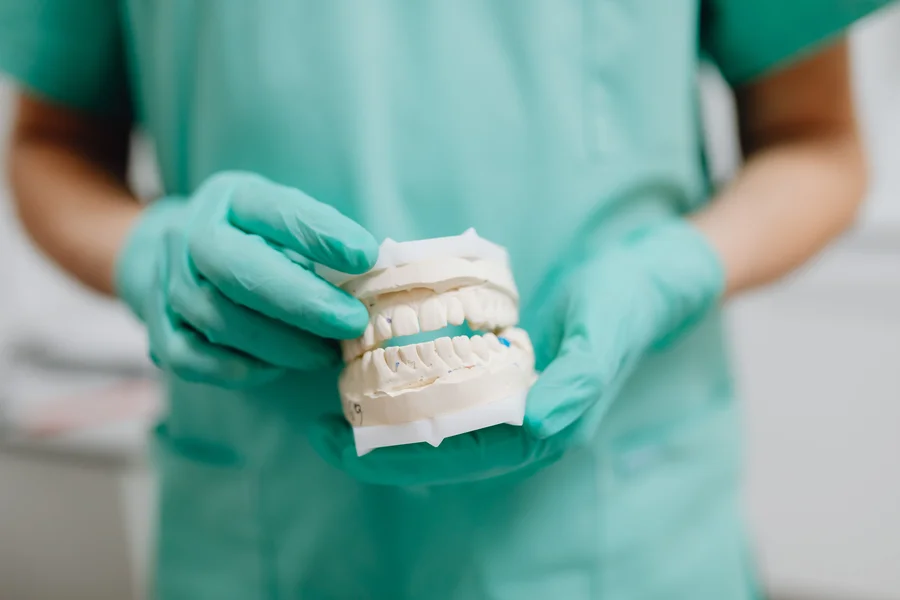
How Dentures Support Nutrition and Whole-Body Wellness
Struggling to eat fresh produce or lean proteins? See how dentures in Birmingham, AL, can make healthy meals easier and support whole-body wellness.
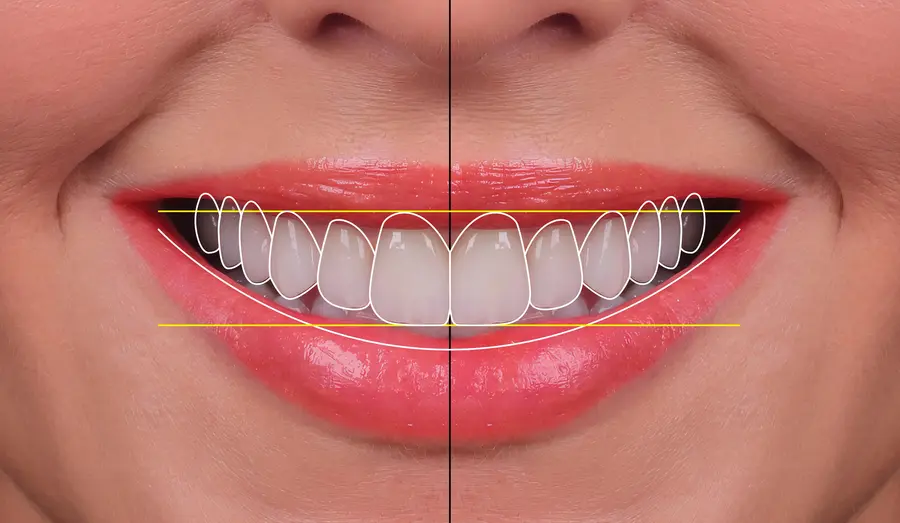
Digital Smile Design: Previewing Your New Smile
Technology now lets you see your smile before committing to treatment. Learn how digital design supports a smile makeover in Birmingham from day one.
