
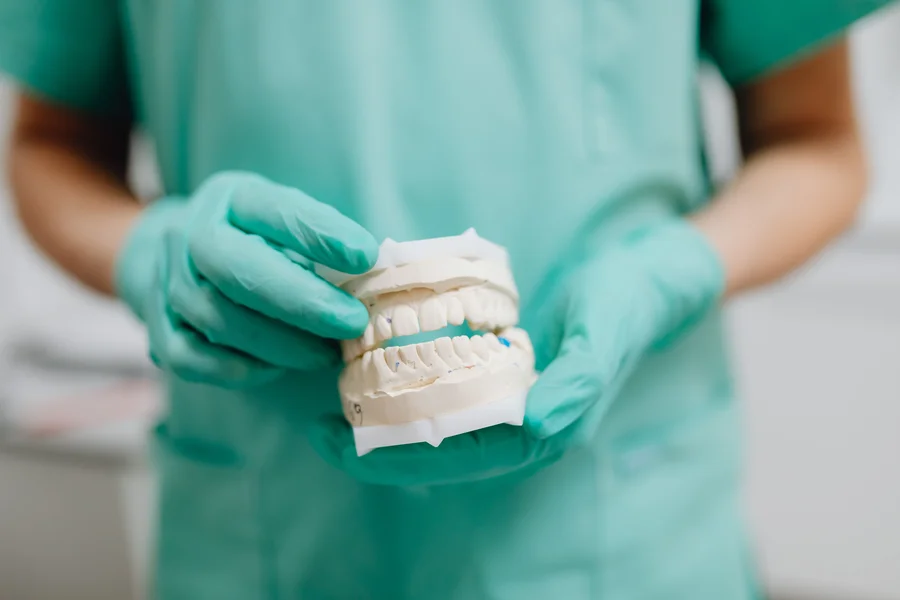
How Dentures Support Nutrition and Whole-Body Wellness
Losing several teeth changes more than your smile. It changes what shows up on your plate. Patients who have gone months without a stable bite often quietly stop reaching for the foods that take the most effort to chew, and over time, that narrower diet can affect far more than oral health.
If you are considering dentures in Birmingham, AL, and wondering whether they are worth the adjustment period, the answer often comes down to something bigger than appearance: getting your nutrition back on track.
Our wellness-focused approach to care treats that connection as part of the plan from day one, not an afterthought. Most conversations about dentures focus on appearance and comfort, which matter, but the effect on what you actually eat every day tends to get far less attention, even though it often matters more for long-term health.
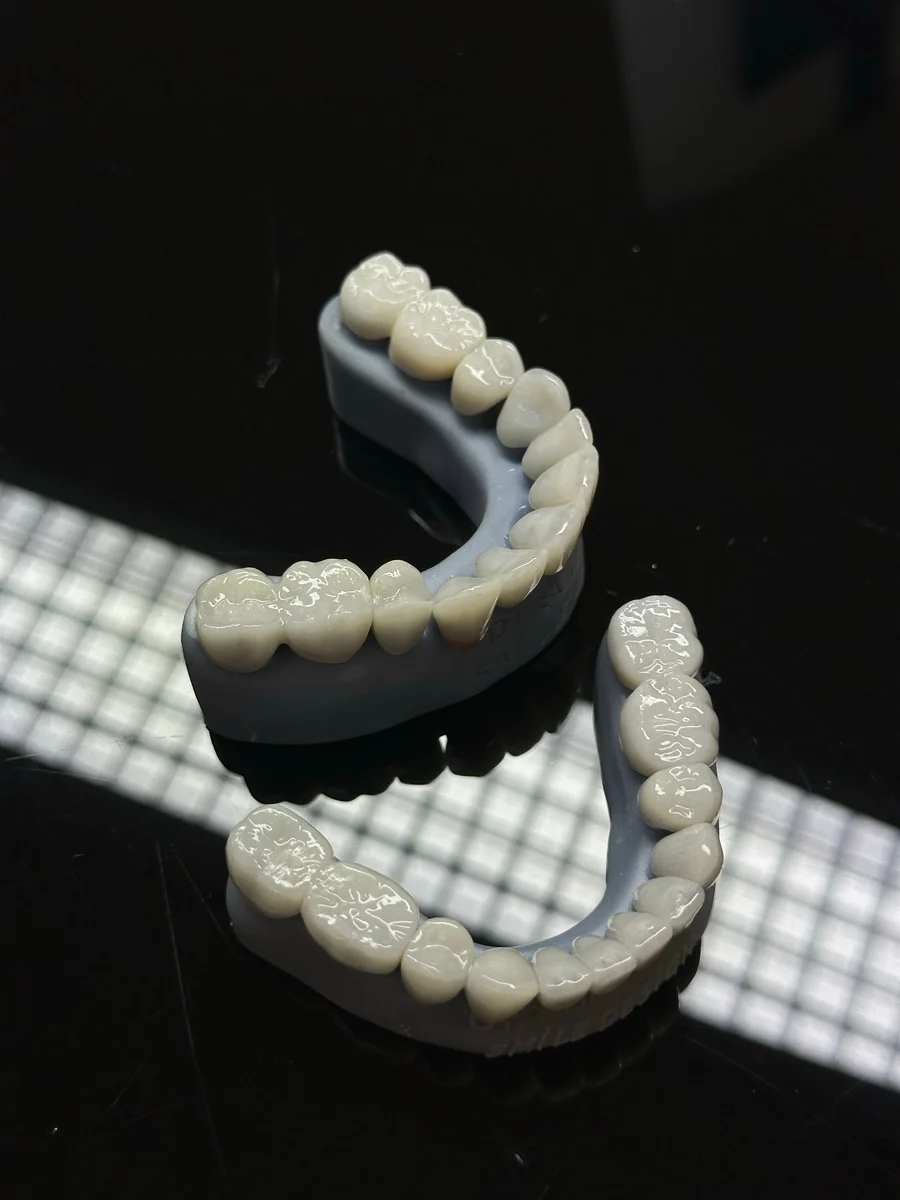
The Diet Shift That Happens After Tooth Loss
Chewing efficiency drops sharply once several teeth are missing, and the mouth does not always announce that change directly. Instead, it shows up in small decisions made every day: skipping the apple for something softer, choosing ground meat over a steak, or passing on a salad because raw vegetables take too much effort to break down.
None of these choices feels dramatic in the moment, but added up over months, they quietly remove fiber, protein, and key vitamins from a diet that used to include them without a second thought. Gum disease, one of the more common causes of adult tooth loss, often accelerates this shift because the discomfort starts well before the teeth are actually gone.
The pattern rarely announces itself as a nutrition problem. Patients describe it as simply eating less variety, sticking to what is easy, or losing interest in cooking meals that used to be routine. Over months or years, that narrowing can mean consistently lower intake of fiber, iron, calcium, and vitamin C, nutrients concentrated in exactly the foods that require the most chewing effort to begin with.
Why This Matters Beyond Your Mouth
The mouth is not a separate system from the rest of the body, even though dental and medical care are often delivered as if it were. According to the Centers for Disease Control and Prevention, poor oral health is linked to chronic conditions, including diabetes, cardiovascular disease, and obesity, and the relationship often runs in both directions.
A diet that has quietly narrowed due to missing teeth can make it harder to manage blood sugar, maintain a healthy weight, or get enough nutrients that support heart health. This is part of why restorative dentistry that restores real chewing function, not just appearance, matters for more than the smile in the mirror, especially for patients considering dentures in Birmingham, AL, as part of a broader health plan.
This is also why a dentist who asks about your diet and general health, not just your bite, tends to catch problems earlier. A patient managing diabetes who has quietly started avoiding fibrous vegetables because of a failing bite is dealing with two connected problems at once, even if only one of them shows up on a dental exam.
How Dentures Restore Chewing Function
Well-fitting dentures are designed to distribute bite force evenly across the jaw, which makes it possible to chew tougher foods again. Custom-fit denture options are shaped and adjusted to each patient's bite, rather than sized from a generic mold. That fit determines whether someone actually uses their new teeth to eat a wider variety of foods or quietly avoids anything that requires real effort.
For patients who want a more secure hold from the start, implant-retained dentures anchor to the jawbone rather than relying on suction or adhesive alone, which some patients find makes a noticeable difference when eating firmer foods.
What Becomes Easier to Eat Again
- Fresh fruit like apples and pears, once your bite has adjusted
- Raw or lightly cooked vegetables instead of only soft, processed sides
- Lean meats and poultry cut into manageable pieces
- Whole grains and legumes for steady fiber and protein
- Nuts and seeds in moderation, once you are fully adjusted
Adjusting Your Diet During the Transition
The first few weeks with new dentures are still an adjustment period, and pushing too hard too soon can undermine the process. The National Institute on Aging recommends starting with soft, non-sticky foods, cutting everything into small pieces, and chewing slowly using both sides of the mouth, then gradually reintroducing firmer foods as your bite adjusts. Skipping this step and going straight back to a normal diet is one of the more common reasons new denture wearers get discouraged in the first month.
It also helps to avoid small, hard, or crunchy foods early on, such as popcorn kernels or seeds, that can slip under the denture and irritate the gums. Patience during these first several weeks tends to pay off later, since most people who stick with the gradual approach end up eating a wider range of foods long term than those who either give up too soon or push too hard, too fast.
Protecting the Nutritional Gains You Make
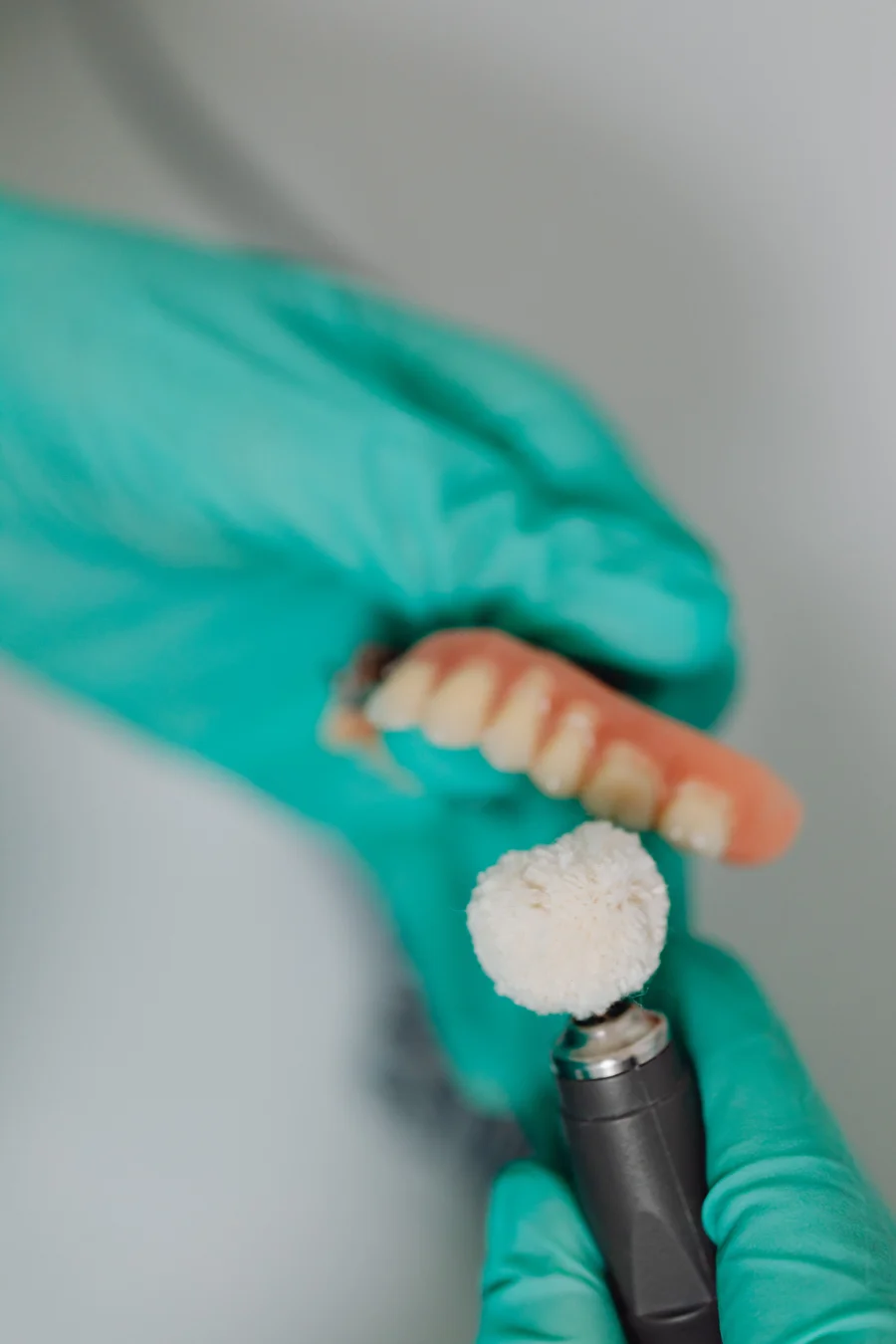
Getting your diet back on track is not a one-time fix. Dentures shift slightly as your gums and jawbone change shape over time, and a loose fit can quietly bring back the same food avoidance patterns that led to nutritional gaps in the first place. Routine follow-up visits for dentures in Birmingham, AL, catch that drift before it becomes a habit again. If cost is part of what is holding you back from starting treatment, flexible payment options are available to help spread the cost of your care.
A denture that fit well a year ago is not guaranteed to fit well today, since gum tissue and bone continue to change shape over time. Scheduling a checkup as soon as you notice new looseness, rather than waiting for it to become painful, is usually what keeps a diet on track instead of quietly slipping away again.
Frequently Asked Questions
Can dentures really improve my diet?
Yes, for most patients. A stable, well-fitted denture restores enough chewing function to make fruits, vegetables, and lean proteins manageable again, which is often the biggest nutritional gap for people who have been living with several missing teeth.
What foods are easiest to eat with new dentures?
Soft, non-sticky foods work best at first, such as eggs, cooked vegetables, and ground meats. As your bite adjusts over several weeks, most patients can gradually reintroduce firmer foods like raw vegetables and whole fruit.
Are implant-retained dentures better for nutrition than traditional dentures?
They can be, particularly for patients who struggle with slipping or movement in a traditional denture. A more secure, implant-anchored fit often makes it easier to bite into firmer foods with confidence.
How long does it take to get used to eating with dentures?
Most patients notice steady improvement over four to six weeks, though this varies from person to person. Follow-up adjustments during this period help fine-tune the fit, making eating more comfortable rather than something to work around.
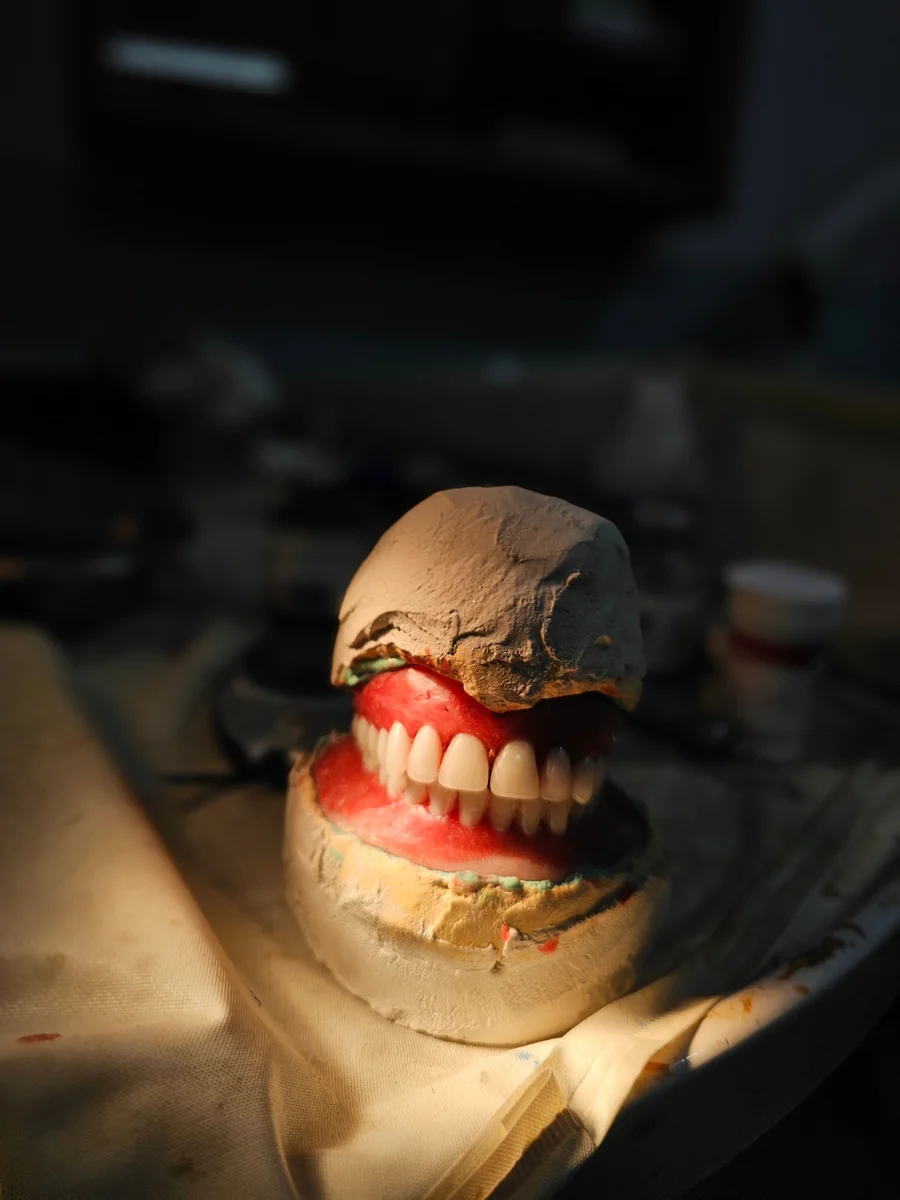
Ready for Dentures in Birmingham, AL That Support Your Whole-Body Wellness?
A narrower diet does not have to be a permanent side effect of missing teeth. Lakeview Dental & Wellness takes a whole-body approach to restorative care, so dentures are fitted with your nutrition and long-term health in mind, not just your smile.
Contact us to schedule a consultation and find out what a properly fitted denture could mean for your plate.
Related Posts
How Dentures Support Nutrition and Whole-Body Wellness
Struggling to eat fresh produce or lean proteins? See how dentures in Birmingham, AL, can make healthy meals easier and support whole-body wellness.
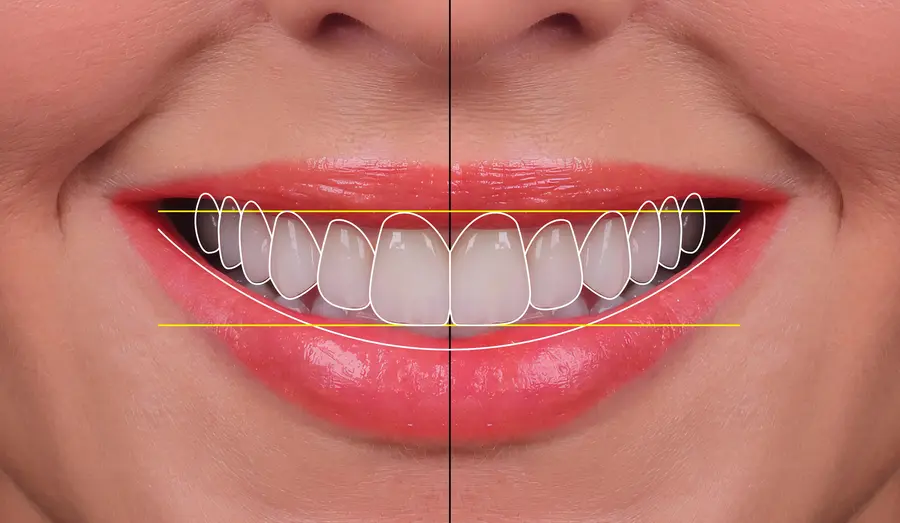
Digital Smile Design: Previewing Your New Smile
Technology now lets you see your smile before committing to treatment. Learn how digital design supports a smile makeover in Birmingham from day one.
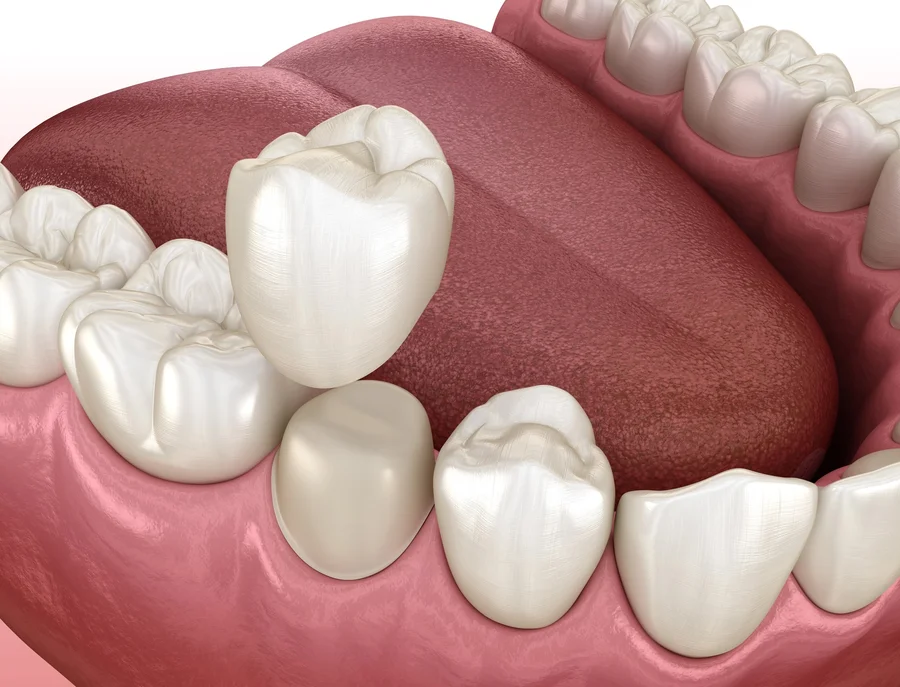
Why Protecting a Damaged Tooth Early Can Prevent More Treatment Later
Learn how dental crowns in Birmingham help protect damaged teeth early and may reduce the need for more complex treatment later.
