

Emergency Dentist Guide: Toothache Relief, Extractions, & Broken Crowns
Dental emergencies can happen unexpectedly, often bringing discomfort and urgency that require immediate attention. Whether it is a sudden toothache, a damaged crown, or a situation that may require extraction, knowing what to expect can help reduce stress during the moment. Many patients turn to an emergency dentist in Birmingham, AL, when these situations arise, seeking prompt care focused on relief and oral health restoration. Understanding how different emergencies are handled can help you feel more prepared if one occurs.

Understanding Dental Emergencies & When to Act
Not every dental issue requires urgent care, but certain symptoms warrant immediate attention. Recognizing these signs early can help prevent complications and reduce discomfort.
Common Signs of a Dental Emergency
Severe or persistent tooth pain, swelling in the gums or jaw, bleeding that does not stop, or visible damage such as cracks or fractures are often considered emergencies. Infections, especially those accompanied by swelling or fever, may require immediate treatment to prevent the issue from spreading. The Centers for Disease Control and Prevention notes that untreated oral health conditions can worsen over time and may affect overall health if left untreated. Seeking timely care helps protect both oral health and general well-being.
Toothache Relief & Identifying the Cause
Toothaches are one of the most common reasons people seek emergency dental care. The discomfort can range from mild sensitivity to severe, throbbing pain.
What Causes Tooth Pain
Toothaches can be caused by cavities, infections, damaged fillings, or gum issues. In some cases, pain may result from pressure caused by impacted teeth or grinding habits. Identifying the source of the pain is essential for determining the appropriate treatment. Oral health guidance from organizations such as the National Institute of Dental and Craniofacial Research explains that early evaluation of tooth pain can help prevent more serious complications.
Immediate Relief Options
Dentists typically begin by assessing the affected area using visual exams and digital imaging. Treatment may involve cleaning the area, applying medication, or recommending further procedures, depending on the cause. Relieving discomfort is often the first priority, followed by addressing the underlying issue to prevent recurrence.
Tooth Extractions & When They Are Necessary
In some cases, removing a tooth may be the best option to protect overall oral health. While tooth extractions are often considered a last resort, they may be necessary in certain situations.

Reasons for Tooth Extraction
Severely damaged teeth, advanced decay, or infections that cannot be treated with other methods may require extraction. Impacted teeth or overcrowding may also lead to this recommendation. The American Dental Association notes that removing a problematic tooth can help prevent further damage to surrounding teeth and tissues.
What to Expect During the Procedure
Modern extraction techniques are designed to improve comfort and efficiency. Dentists use advanced imaging to plan the procedure and ensure precise removal. Local anesthesia helps minimize discomfort, and patients are provided with aftercare instructions to support healing. Proper care after extraction plays an important role in preventing complications and supporting recovery.
Broken Crowns & Restorative Solutions
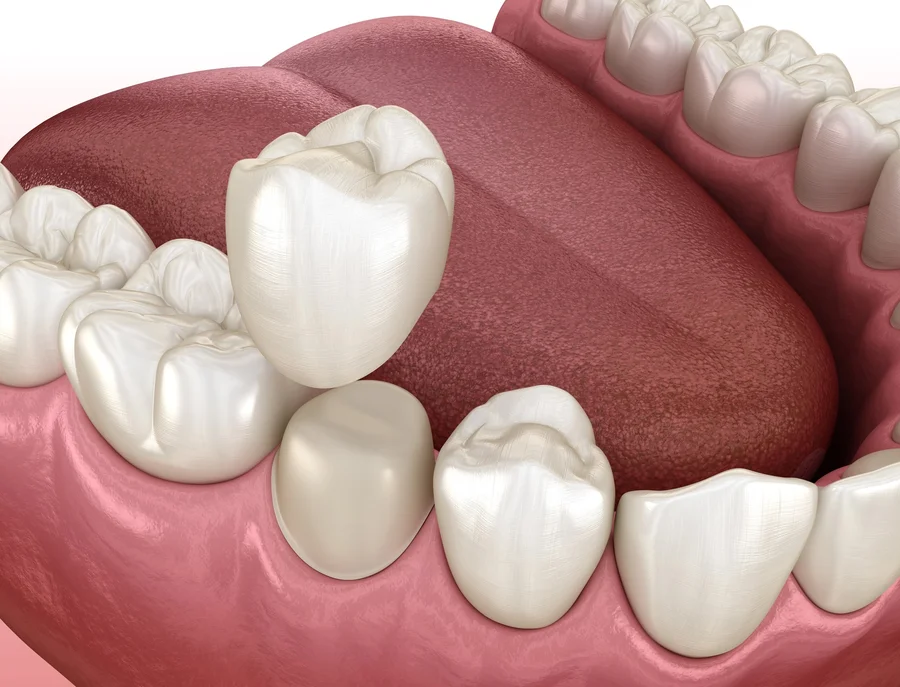
A broken or damaged crown can expose the underlying tooth, leading to sensitivity or discomfort. Addressing this issue quickly helps protect the tooth from further damage.
Causes of Crown Damage
Crowns may become damaged due to biting hard objects, normal wear over time, or underlying decay. When a crown becomes loose or breaks, the tooth underneath may be vulnerable.
Repair & Replacement Options
Dentists evaluate the condition of both the crown and the underlying tooth to determine the best course of treatment. In some cases, the crown may be repaired or reattached. In others, a new restoration may be recommended. Restoring the crown helps protect the tooth and maintain proper function.
Managing Pain & Preventing Further Issues
Pain management is a key part of emergency dental care. Dentists focus on relieving discomfort while also addressing the root cause of the issue.
Why Early Treatment Matters
Delaying treatment can allow dental problems to worsen, potentially leading to more complex procedures. Prompt care helps reduce inflammation, prevent infection, and stabilize affected teeth. The Centers for Disease Control and Prevention emphasizes that maintaining oral health and seeking timely care can help prevent complications and support long-term wellness. Taking action early often leads to better outcomes and less extensive treatment.
Aftercare & Recovery Tips
After receiving emergency dental care, following proper aftercare instructions is essential for healing.
Supporting a Smooth Recovery
Patients may be advised to avoid certain foods, maintain good oral hygiene, and attend follow-up visits if needed. Keeping the area clean and allowing time for healing helps reduce the risk of complications. Consistent care after treatment supports both immediate recovery and long-term oral health.
Emergency Dental Exams & Diagnostic Technology
When a patient arrives with urgent symptoms, one of the first steps is a comprehensive dental evaluation. Emergency exams are designed to quickly identify the root cause of discomfort while ensuring no underlying issues are overlooked.
How Modern Diagnostics Support Fast Decisions
Dentists often use digital imaging tools such as X-rays to assess areas that are not visible during a standard exam. These tools help detect infections, fractures, or hidden decay that may be contributing to the emergency. By identifying the issue early, dentists can recommend the most effective treatment without unnecessary delays.
The National Institute of Dental and Craniofacial Research emphasizes that accurate diagnosis is essential in managing oral health conditions and preventing complications. This technology-driven approach allows patients to receive faster answers and more targeted care during urgent situations.
Temporary Treatments & Stabilizing the Tooth
In some emergency cases, immediate permanent treatment may not always be possible during the first visit. Instead, dentists may provide temporary solutions to stabilize the condition and relieve discomfort.
Short-Term Solutions for Immediate Relief
Temporary fillings, protective coverings, or medicated dressings may be used to shield damaged teeth and reduce sensitivity. These treatments help protect the affected area while allowing time to plan a more permanent solution. For example, a temporary crown may be placed if a permanent restoration cannot be completed right away. Similarly, medication may be applied to reduce inflammation or manage infection.
The American Dental Association explains that interim treatments play an important role in preserving tooth structure and maintaining comfort until full treatment can be completed. These short-term solutions ensure that patients leave the appointment feeling more comfortable while also protecting their oral health in the meantime.

Need an Emergency Dentist in Birmingham, AL for Immediate Care?
Dental emergencies can be stressful, but having access to prompt care can make a meaningful difference. Whether you are dealing with tooth pain, a damaged crown, or a situation that requires extraction, an emergency dentist in Birmingham, AL can provide timely evaluation and treatment to help restore comfort and protect your smile. Lakeview Dental and Wellness is here to help you schedule your visit and receive the care you need when it matters most, so you can move forward with confidence and peace of mind.
Related Posts
Why Protecting a Damaged Tooth Early Can Prevent More Treatment Later
Learn how dental crowns in Birmingham help protect damaged teeth early and may reduce the need for more complex treatment later.

How Holistic Dentistry Differs from Traditional Dental Care
A holistic dentist in Birmingham, AL, combines preventive care with a whole-body approach to support lasting oral health.

Is Restorative Dentistry Different From Cosmetic Dentistry?
Learn how restorative dentistry in Birmingham differs from cosmetic dentistry and how each supports a healthy smile.
