
Why Protecting a Damaged Tooth Early Can Prevent More Treatment Later
A damaged tooth may not always seem like an emergency. Small chips, worn enamel, minor fractures, or older fillings can appear harmless, especially if they do not cause immediate pain. However, these seemingly minor concerns can become more complicated when left untreated.
Seeking treatment for dental crowns in Birmingham at the appropriate time may help strengthen a weakened tooth before additional damage develops. Early intervention often protects the natural tooth while reducing the likelihood of more extensive procedures in the future.
Why Even Small Tooth Damage Matters
Teeth are remarkably strong, but they are not indestructible. Every day chewing, accidental injuries, nighttime grinding, and years of normal wear gradually place stress on tooth structure. Once a tooth becomes weakened, it may no longer distribute biting forces evenly.
A small crack or worn restoration can allow bacteria to enter areas that are normally protected. Although this damage may not be noticeable at first, repeated pressure during daily activities can gradually enlarge the problem. What begins as a minor issue can eventually affect the inner layers of the tooth if left untreated.
Damage Does Not Always Cause Pain
One of the biggest misconceptions about dental health is that pain always appears immediately. In reality, many damaged teeth remain comfortable for weeks, months, or even longer before symptoms develop.
Because discomfort is not always present, routine dental examinations play an important role in identifying problems early. Dentists often detect small fractures, failing restorations, or areas of weakened enamel before patients notice any changes themselves.
How A Damaged Tooth Changes Over Time
When part of a tooth becomes compromised, the remaining healthy structure must absorb greater chewing pressure. This additional stress increases the chance of fractures becoming larger or existing restorations becoming unstable.
Temperature changes from hot coffee, cold beverages, and everyday chewing also cause natural expansion and contraction within the tooth. Over time, these repeated movements may gradually worsen small defects that initially seemed insignificant.
Old Fillings May No Longer Provide Enough Support
Large fillings that have served well for many years can eventually weaken the surrounding tooth structure. As fillings age, the remaining natural tooth may become more susceptible to cracks, particularly in areas exposed to heavy chewing forces.
In these situations, simply replacing another filling may not always provide enough protection. Depending on the amount of remaining healthy tooth structure, additional reinforcement may be recommended.
When a Dental Crown May Be Recommended
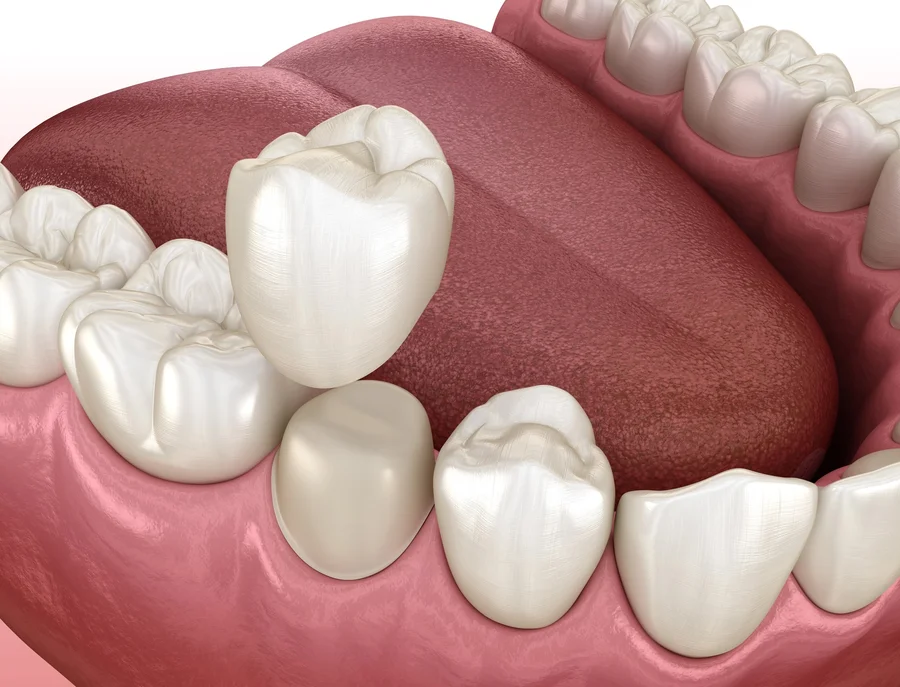
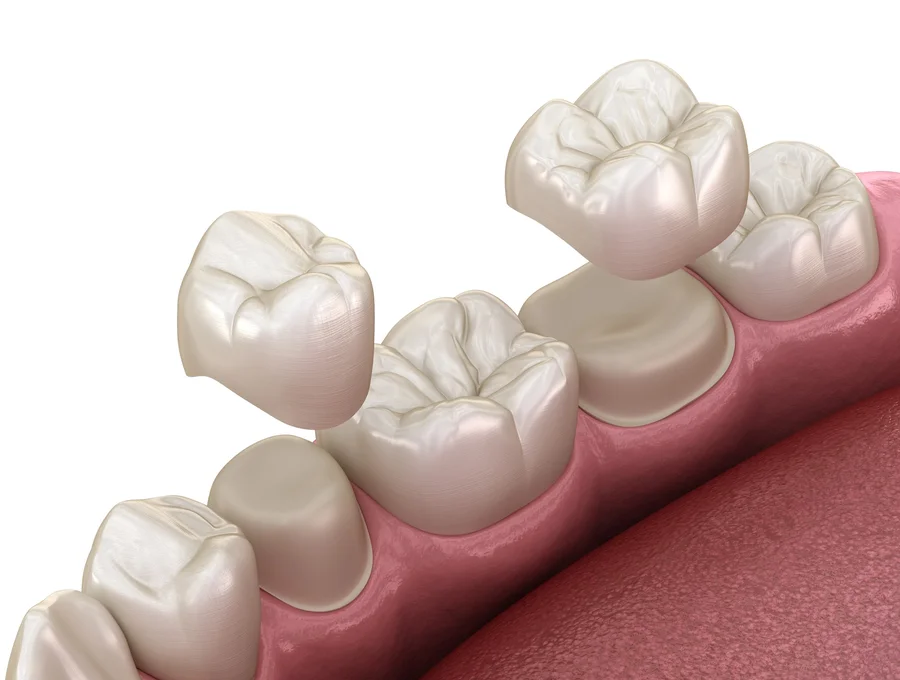
Dental crowns completely cover the visible portion of a tooth, helping restore its strength, shape, and function. Rather than treating only the damaged area, the crown surrounds the tooth to provide additional support during everyday use.
Crowns are commonly recommended after large fillings, significant fractures, root canal therapy, or situations where too much natural tooth structure has been lost for a filling alone to provide reliable protection.
Every recommendation is based on the condition of the individual tooth rather than a single treatment approach for every patient.
Preserving Natural Teeth Whenever Possible
Modern dentistry emphasizes preserving healthy, natural teeth whenever appropriate. A crown allows dentists to strengthen an existing tooth rather than remove it when the remaining structure can still provide long-term function. Protecting a natural tooth often helps maintain normal chewing ability while supporting neighboring teeth and overall bite alignment.
Benefits Of Early Treatment
Addressing tooth damage sooner rather than later often provides several important advantages for patients.
- Helps strengthen weakened teeth before additional fractures occur
- May reduce the risk of bacteria reaching the inner pulp
- Supports comfortable chewing and biting
- Preserves more natural tooth structure
- Helps protect existing dental work
- May reduce the likelihood of more extensive future treatment
Although every situation is unique, identifying concerns early generally creates more treatment options than waiting until symptoms become severe.
Protecting Your Investment in Oral Health
Restorative dental care works best when combined with good daily habits. Brushing twice each day, flossing consistently, limiting sugary snacks, and attending routine dental examinations all help protect both natural teeth and existing restorations.
Patients who grind their teeth during sleep may also benefit from wearing a custom nightguard. Reducing excessive biting pressure helps minimize unnecessary stress on both crowns and natural teeth, supporting long-term durability.
Why Routine Monitoring Still Matters
Even after a damaged tooth has been restored, routine dental visits remain an important part of maintaining long-term oral health. During these appointments, dentists examine existing restorations, evaluate the surrounding gum tissue, and look for subtle changes that may not be visible during daily brushing or flossing. Early detection allows small concerns to be addressed before they affect the stability of the restored tooth.
Changes in bite alignment, normal wear, or new decay around the edges of a restoration can develop gradually over time. Regular evaluations help ensure that restorations continue to function as intended while protecting the healthy tooth beneath.
Healthy Habits Support Lasting Results
A crown protects a weakened tooth, but it does not replace good oral hygiene. The surrounding gums and the remaining natural tooth still require consistent care to stay healthy. Maintaining simple daily habits helps extend the lifespan of dental restorations while reducing the risk of future dental problems.
Helpful habits include brushing with fluoride toothpaste, flossing carefully around every tooth, limiting frequent sugary snacks and acidic drinks, and avoiding chewing hard objects such as ice, pens, or popcorn kernels. These small choices can make a meaningful difference over the years.
Questions Patients Commonly Ask
Can a Small Crack Heal on its Own?
No. Unlike some other tissues in the body, tooth enamel cannot regenerate once it has been damaged. Although a crack may remain stable for some time, it can also enlarge under continued chewing pressure. Having the tooth evaluated early allows your dentist to determine the most appropriate way to protect it.
Is It Better to Wait Until the Tooth Hurts?
Not necessarily. Many damaged teeth cause little or no discomfort during the early stages. Waiting until pain develops may allow the problem to become more advanced, potentially requiring additional treatment that could have been avoided through earlier intervention.
How Long Can a Crown Last?
Every patient is different, and no restoration lasts forever. However, with good home care, routine dental visits, and healthy daily habits, many crowns continue serving patients well for many years. Your dentist can monitor the condition of your restoration during regular examinations and recommend replacement only when necessary.
Will Getting a Crown Look Natural?
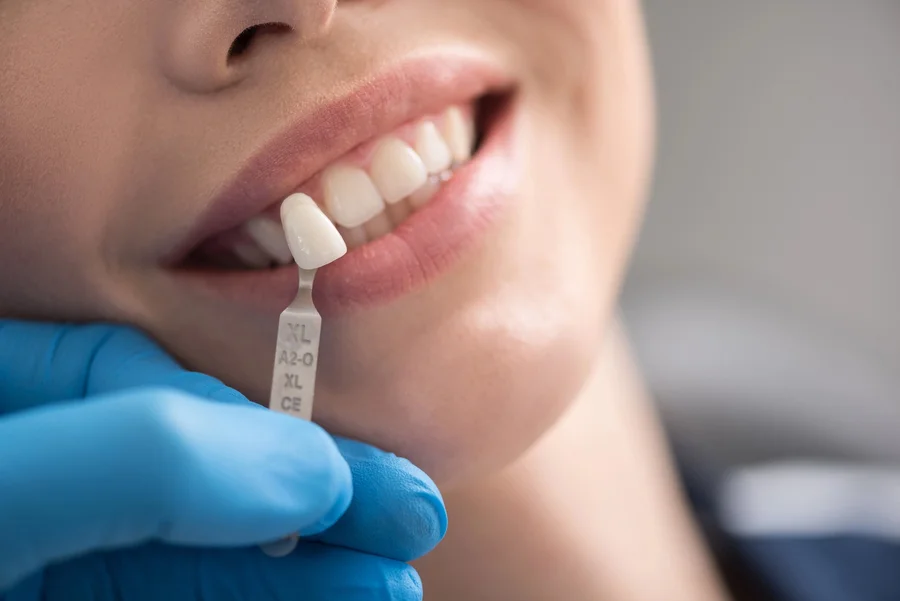
Modern dental materials are designed to closely match the color, shape, and contour of surrounding teeth. Dentists carefully plan each restoration to blend comfortably with your smile while restoring normal function.
Can I Eat Normally After Treatment?
Once your permanent restoration has been placed and your dentist confirms that your bite is comfortable, most patients can return to their normal eating habits. Continuing to avoid chewing extremely hard objects can help protect both natural teeth and restorations from unnecessary damage.
Schedule Your Consultation for Dental Crowns in Birmingham
Taking action while a damaged tooth is still repairable can make a meaningful difference in protecting your smile for years to come. Whether you have noticed a crack, an aging filling, or a tooth that does not feel as strong as it once did, an evaluation can help determine the most appropriate next step before the condition worsens.
At Lakeview Dental and Wellness, we are committed to helping patients make informed decisions about their oral health through personalized, preventive care. If you are considering dental crowns in Birmingham, schedule an appointment today or call our office to learn how timely treatment can help protect your natural tooth, restore comfortable function, and support a healthier smile for the long term.
Related Posts
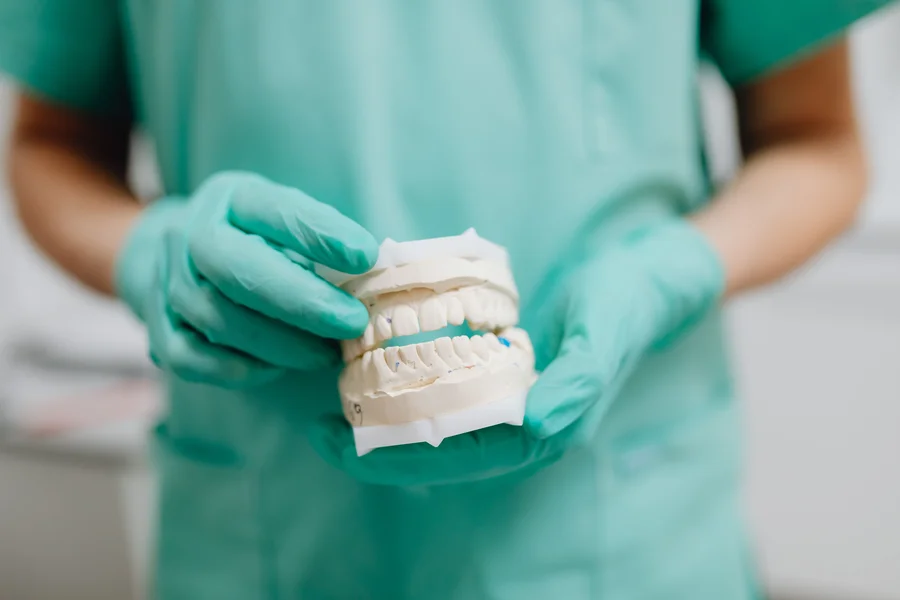
How Dentures Support Nutrition and Whole-Body Wellness
Struggling to eat fresh produce or lean proteins? See how dentures in Birmingham, AL, can make healthy meals easier and support whole-body wellness.
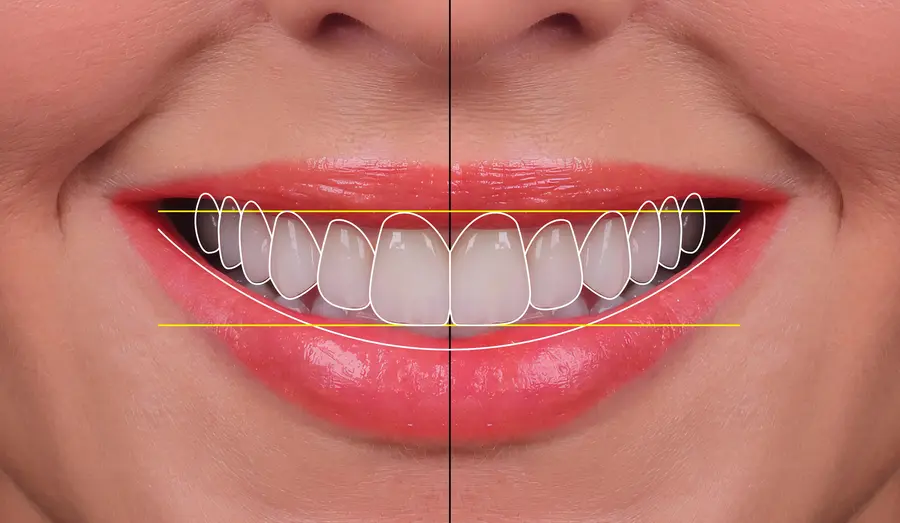
Digital Smile Design: Previewing Your New Smile
Technology now lets you see your smile before committing to treatment. Learn how digital design supports a smile makeover in Birmingham from day one.
Why Protecting a Damaged Tooth Early Can Prevent More Treatment Later
Learn how dental crowns in Birmingham help protect damaged teeth early and may reduce the need for more complex treatment later.
