

How Holistic Dentistry Differs from Traditional Dental Care
Choosing the right approach to dental care often depends on your individual health goals and personal preferences. While traditional dentistry focuses on diagnosing and treating oral health concerns, holistic dentistry takes a broader view by considering how oral health may relate to overall wellness.
Visiting a holistic dentist in Birmingham, AL, allows patients to explore preventive, patient-centered care that supports both healthy smiles and long-term well-being.

What is Holistic Dentistry?
Holistic dentistry, sometimes called biological dentistry, emphasizes treating the whole person rather than focusing only on individual teeth or gums. Holistic dental professionals recognize the connection between oral health and the rest of the body while encouraging preventive care and healthy daily habits.
This approach may include:
- Comprehensive oral health evaluations
- Preventive dental cleanings and examinations
- Digital imaging with an emphasis on patient safety
- Personalized treatment planning
- Guidance on nutrition and oral hygiene habits
- Biocompatible material considerations when appropriate
Like traditional dentistry, the primary goal remains maintaining healthy teeth and gums while helping patients make informed decisions about their care.
How Holistic & Traditional Dentistry Compare
Both holistic and traditional dental care prioritize preventing disease, restoring damaged teeth, and preserving oral function. The primary difference lies in how treatment decisions are approached.
Traditional dentistry generally focuses on diagnosing and treating specific dental conditions. Holistic dentistry also addresses those concerns while considering lifestyle factors, overall health history, and preventive strategies that may contribute to lasting oral wellness.
Personalized Care for Every Patient
Because every patient has unique needs, holistic dental care often emphasizes open communication throughout treatment. Dentists spend time discussing available options, answering questions, and helping patients understand how different treatments may support their long-term oral health goals.
This collaborative approach encourages patients to participate actively in decisions about their dental care while building confidence in their treatment plans.
Prevention Remains the Foundation
Regardless of the approach, preventive care remains one of the most important aspects of maintaining a healthy smile. Routine examinations allow dental professionals to identify potential concerns before they become more complicated, while professional cleanings remove plaque and tartar that daily brushing cannot eliminate.
Building Healthy Habits at Home
Healthy habits at home also play an important role in supporting oral wellness. Patients are encouraged to:
- Brush twice each day using fluoride toothpaste
- Floss daily to clean between teeth
- Eat a balanced diet rich in nutritious foods
- Stay hydrated throughout the day
- Schedule regular dental checkups
These consistent habits help reduce the risk of cavities and gum disease while supporting overall health.
Technology That Supports Prevention
Modern holistic dental practices often incorporate advanced technology to enhance diagnosis and patient comfort. Digital imaging allows dentists to evaluate oral structures with excellent detail while reducing unnecessary exposure compared to older imaging methods. Intraoral cameras also help patients better understand their oral health by providing clear visual images during examinations.
Home Care Is Still Your Biggest Factor
Professional dental care is only one part of maintaining a healthy smile. Daily home care primarily remains the largest means of preventing common dental concerns. Brushing twice a day thoroughly, flossing daily, eating a nutritious diet, and attending regular dental visits all contribute to lasting oral health.
Watch for Warning Signs Between Visits
Patients should also pay attention to changes in their mouths between appointments. Persistent sensitivity, bleeding gums, or discomfort should never be ignored. Seeking professional evaluation early often leads to simpler treatment and better long-term outcomes. Consistency between home care and routine dental visits lays the strongest foundation for lifelong oral wellness.
The Educational Side of Prevention
Patients also benefit from the educational focus that often accompanies holistic dental care. Rather than simply treating existing concerns, holistic dentists work closely with patients to explain the causes of common oral health issues and recommend practical steps to help prevent future problems.
Understanding how daily habits, nutrition, stress, and overall wellness may influence oral health empowers patients to make informed choices outside the dental office. This proactive approach encourages long-term oral health by promoting healthy routines that support teeth and gums, while reinforcing the importance of regular professional care as part of a well-rounded wellness plan.
Finding The Right Approach for You
Every patient has different priorities when choosing dental care. Some individuals appreciate a whole-body perspective that considers lifestyle and wellness alongside oral health; others want a personalized treatment experience that focuses on prevention and education. Speaking openly with your dental provider can help determine the approach that best aligns with your individual needs and expectations.
Building Healthy Habits & Lasting Results
Long-term oral health is built through consistent preventive care and informed daily choices. Regular dental visits, effective home hygiene, and open communication with your dentist create a strong foundation for maintaining healthy teeth and gums. Small, consistent habits today can help support a healthier smile for years to come.
Frequently Asked Questions
Is holistic dentistry suitable for families?
Yes. Holistic dentistry focuses on preventive care, patient education, and personalized treatment, making it appropriate for patients of all ages, including children, adults, and older adults. Your dentist will recommend care based on each individual's specific needs.
Does holistic dentistry still include routine cleanings?
Absolutely. Regular dental cleanings and comprehensive examinations remain an important part of holistic dental care. Preventive services help remove plaque buildup, monitor oral health, and identify concerns before they become more serious.
Can holistic dentistry treat cavities?
Yes. Holistic dentists diagnose and treat cavities while discussing treatment options that align with the patient's oral health needs and overall wellness goals. Recommendations are based on clinical findings and individualized treatment planning.
How often should I schedule dental checkups?
Most patients benefit from routine dental visits every 6 months. However, some may need more frequent appointments based on their oral health history and risk factors. Your dentist can recommend a schedule that best supports your long-term oral health.

Discover Care with a Holistic Dentist in Birmingham, AL
If you are interested in a personalized approach that supports both your oral health and overall wellness, Lakeview Dental and Wellness is here to help. We are committed to providing compassionate care while helping every patient make informed decisions about their smile.
Contact us today to schedule an appointment and learn how a holistic dentist in Birmingham, AL can support your long-term oral health goals.
Related Posts
How Dentures Support Nutrition and Whole-Body Wellness
Struggling to eat fresh produce or lean proteins? See how dentures in Birmingham, AL, can make healthy meals easier and support whole-body wellness.
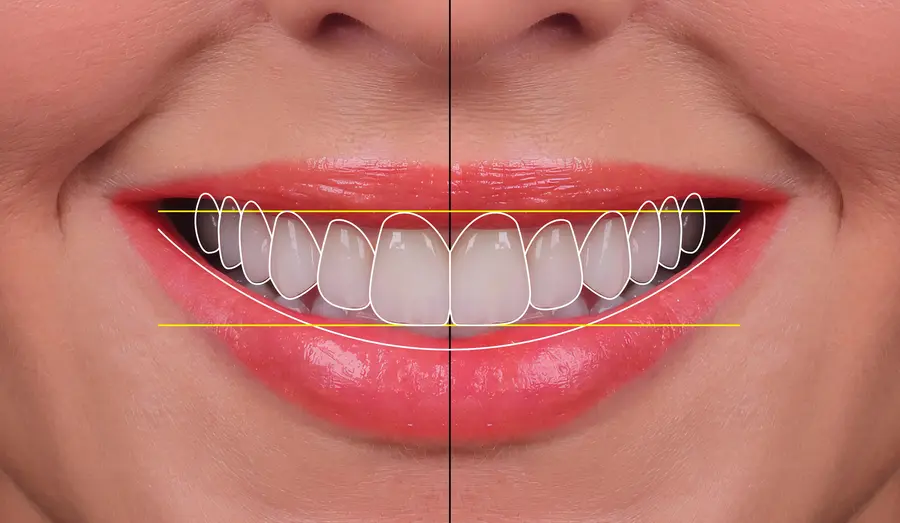
Digital Smile Design: Previewing Your New Smile
Technology now lets you see your smile before committing to treatment. Learn how digital design supports a smile makeover in Birmingham from day one.
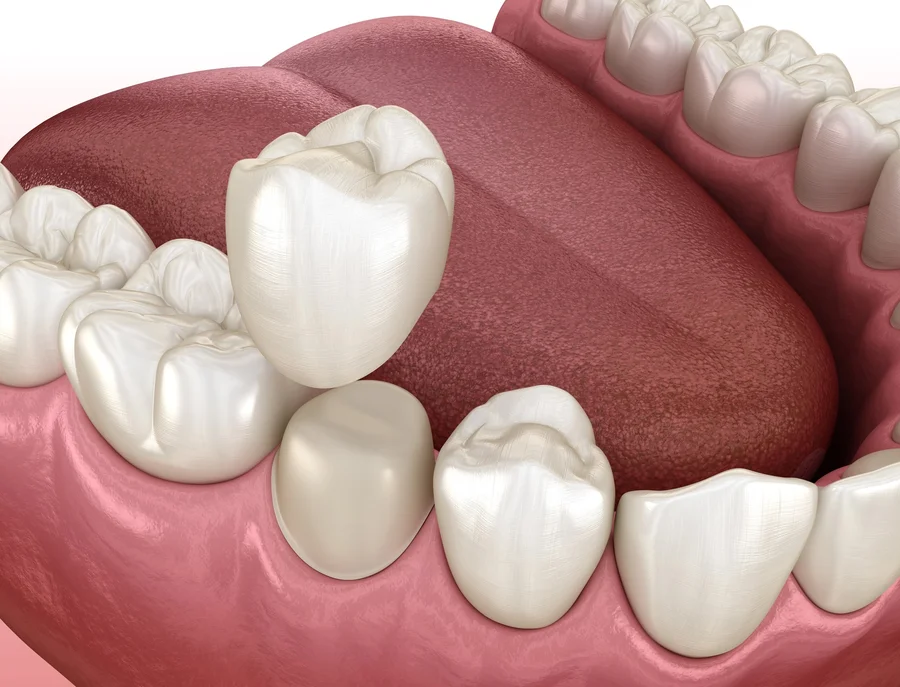
Why Protecting a Damaged Tooth Early Can Prevent More Treatment Later
Learn how dental crowns in Birmingham help protect damaged teeth early and may reduce the need for more complex treatment later.
