

Invisalign®: Is It as Effective as Braces? What Patients Should Know
Misaligned teeth are more than just an aesthetic concern; they can have a severe impact on your oral health for years to come. Crowded, shifted, or uneven teeth are more prone to tooth decay, gum disease, and TMJ issues. To avoid that, dentists recommend orthodontic options like Invisalign® in Birmingham, AL.
Unlike traditional braces, this orthodontic method is more appealing to adults, as it is comfortable, removable, and discreet. However, patients often wonder: Is Invisalign really as effective as braces? The short answer is yes—for many patients. But as with any medical treatment, effectiveness depends on your specific needs, your discipline, and the skill of your provider.
What Is Invisalign and How Does It Work?
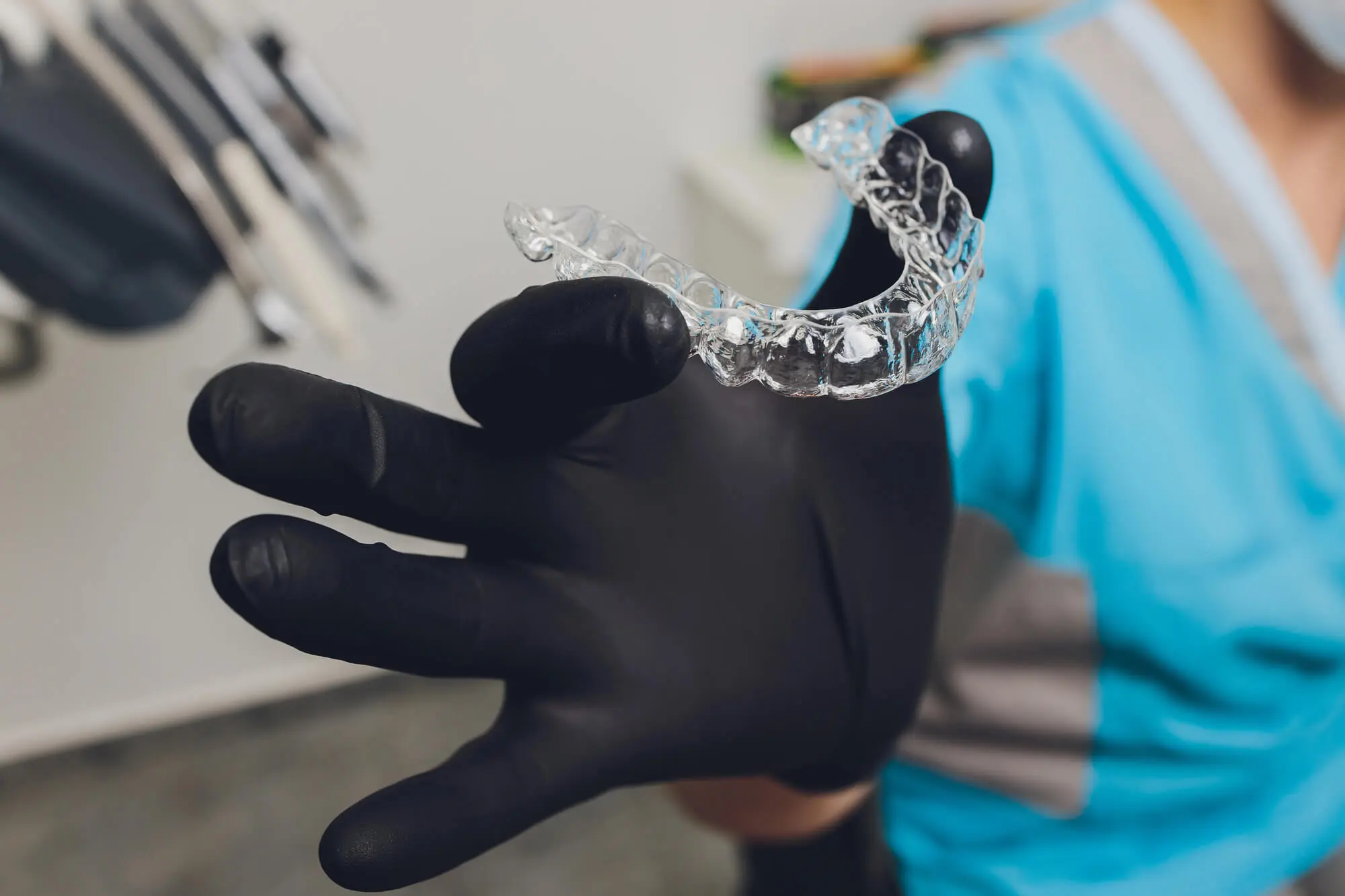
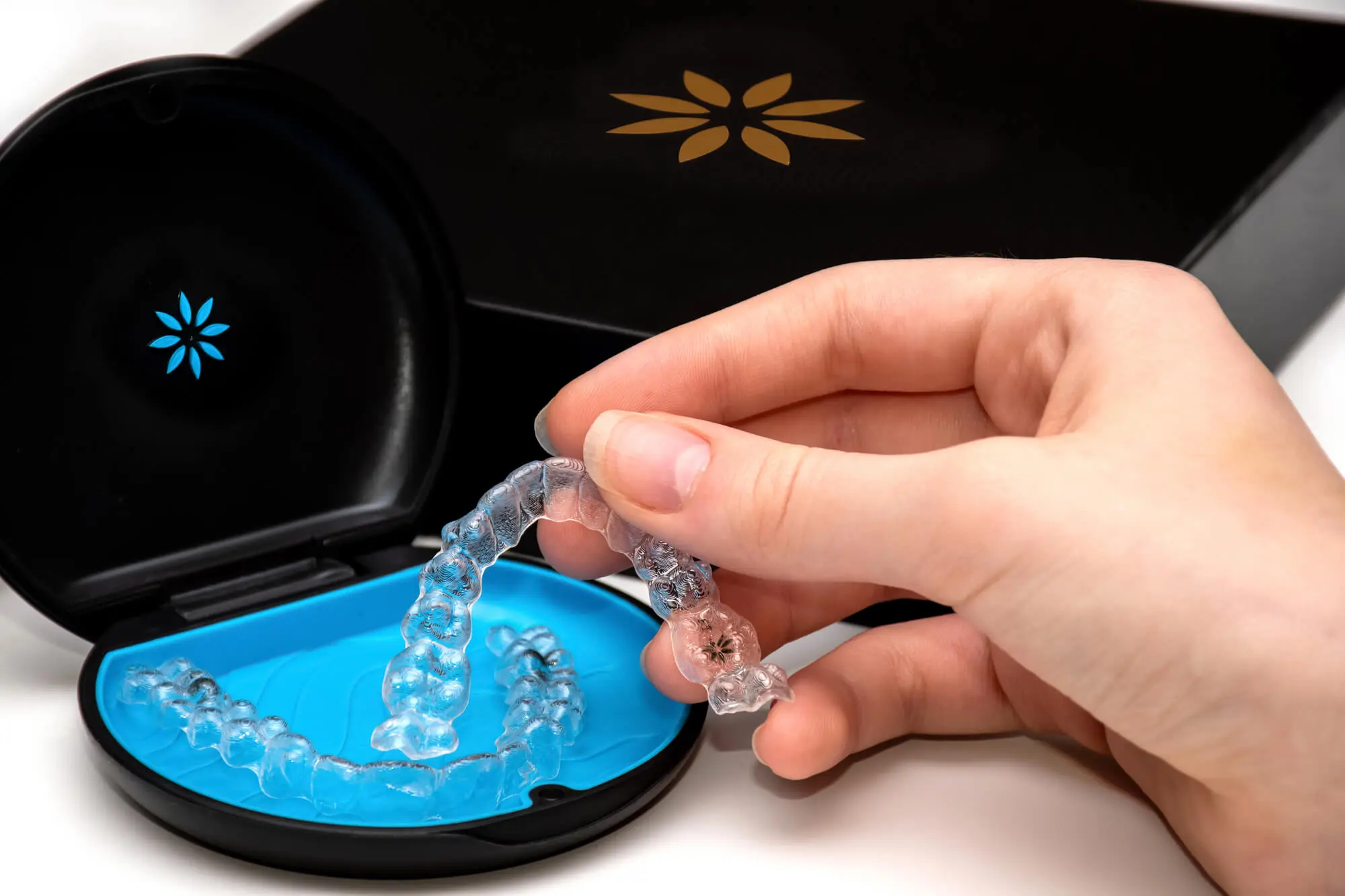
Invisalign is an orthodontic treatment that utilizes a series of custom-made, clear aligners to shift your teeth into proper alignment gradually. The trays are made of flexible, BPA-free plastic, customized to fit your teeth, making them both comfortable and invisible when worn.
Each aligner set is designed to apply subtle pressure to your teeth, gradually shifting them into the correct positions step-by-step. You’ll wear each aligner for about two weeks before switching to the next set in your treatment plan. To be effective, these aligners must be worn 20–22 hours per day.
Unlike braces, there are no wires, no brackets, and no food restrictions—just smooth, comfortable aligners you can remove to eat, brush, and floss.
When Invisalign Is Just as Effective as Braces
For many patients, especially those with mild to moderate orthodontic concerns, Invisalign can deliver results that are just as good as those of traditional braces. This method is effective for:
- Crowded teeth: When there isn’t enough space in the jaw, it causes teeth to overlap or twist.
- Gaps between teeth: Spaces or openings between teeth, often due to missing teeth or jaw size mismatch.
- Overbite, underbite, crossbite, or open bite (mild/moderate cases): Misalignments where the top and bottom teeth don’t meet correctly when biting.
- Relapse from previous braces: When teeth shift out of alignment after prior orthodontic treatment due to a lack of retainer use.
In fact, many adults in Birmingham who didn’t wear their retainer after getting teenage braces are turning to Invisalign to correct shifting teeth discreetly.
When Braces Might Be More Effective
While Invisalign has come a long way, there are still some situations where braces are the better option, especially for patients with issues like:
- Severe crowding or spacing: Extreme overlapping or wide gaps between teeth that typically require stronger correction.
- Complex bite issues: Significant jaw misalignments that affect how upper and lower teeth fit together.
- Tooth rotation or vertical movement (intrusion/extrusion): Teeth that need to be turned or moved up/down in the gum line.
- Non-compliance risk: Cases where patients may not wear aligners sufficiently, thereby reducing treatment effectiveness. This happens often with younger patients.
Braces apply constant force, are fixed in place, and are better suited for complex movements.
The Advantages of Invisalign Over Braces
There are several reasons why you may choose Invisalign over braces as an orthodontic treatment. Besides their clear appearance, clear aligners often adapt better to an adult’s lifestyle because:
- The aligners are virtually invisible, making them ideal for working professionals, teens, or adults who want a subtle treatment approach.
- Since you remove aligners to eat, you can still enjoy crunchy, sticky, or chewy foods that are off-limits with braces.
- Brushing and flossing is simple—no brackets or wires to work around.
- No poking wires, fewer orthodontic emergencies, and less frequent in-office visits make Invisalign a great option for busy schedules.
Invisalign Cons: What to Consider
Now, while Invisalign offers many benefits, it does offer some disadvantages—as any dental treatment does. It’s not perfect for every patient, and it may not be the right method for you because:
- It requires discipline. You must be committed to wearing aligners 20–22 hours per day. Removing them too often will delay results and lead to extra costs (by needing to purchase an additional set of trays, for example).
- Aligners must be cleaned regularly and replaced every 1–2 weeks. If not, plaque can accumulate on them, causing tooth decay or gum disease.

Invisalign FAQs: What Patients Want to Know
Are you still unsure whether or not clear aligners are the right option for your smile? Here are questions our Birmingham patients often ask us about this treatment option:
Is Invisalign painful?
You may feel mild pressure when switching trays, but most patients find Invisalign far more comfortable than braces.
Is Invisalign more expensive than braces?
Invisalign is often comparable in cost to braces, but may be slightly higher depending on the complexity of your case.
Can teenagers use Invisalign?
Absolutely. Invisalign Teen is designed specifically for growing mouths, featuring wear indicators and eruption tabs to enhance treatment outcomes regardless of the situation.
How do I know if I’m a candidate?
Schedule a consultation. We’ll evaluate your bite, alignment needs, and lifestyle to recommend the best fit.
How long does Invisalign take (in comparison to braces)?
Treatment time varies case by case, but here’s what you can expect:
- Invisalign: 6–18 months for most mild to moderate cases
- Braces: 12–24+ months, especially for complex corrections
The real secret to a swift Invisalign treatment is patient compliance. If you wear your aligners consistently, the trays can work just as fast—if not faster—than braces.
How many trays will I need?
The number of trays depends on your unique case, but most patients go through 20 to 30 sets for a full treatment—more complex cases may require additional refinement trays.
Can I eat with the aligners on?
No, you should always remove your aligners before eating or drinking anything other than water to avoid staining, cracking, or warping the trays.
So, Is Invisalign in Birmingham, AL, the Right Choice for You?
Invisalign is an excellent, effective alternative to braces for many patients—especially those who value comfort, aesthetics, and flexibility—but it’s not a one-size-fits-all solution. If you're considering clear aligners, the best way to know whether or not they’re the right method for you is to schedule a personalized consultation.
At Lakeview Dental & Wellness, we'll assess your smile, answer all your questions, and help you create a plan that fits your lifestyle, goals, and, more importantly, what your smile needs. Contact us today to schedule an Invisalign consultation.
*Invisalign®, the Invisalign logo, and iTero®, among others, are trademarks and/ or service marks of Align Technology, Inc. or one of its subsidiaries or affiliated companies and may be registered in the U.S. and/or other countries.
Related Posts
How Dentures Support Nutrition and Whole-Body Wellness
Struggling to eat fresh produce or lean proteins? See how dentures in Birmingham, AL, can make healthy meals easier and support whole-body wellness.
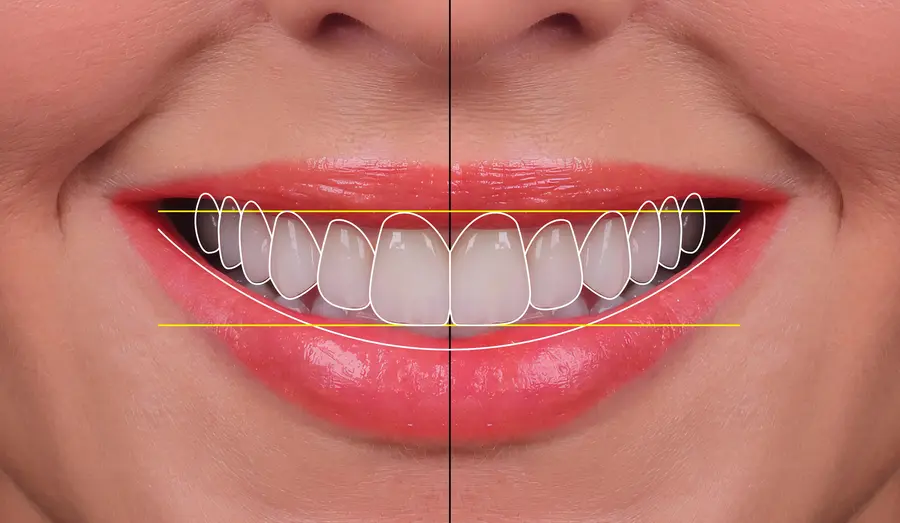
Digital Smile Design: Previewing Your New Smile
Technology now lets you see your smile before committing to treatment. Learn how digital design supports a smile makeover in Birmingham from day one.
Why Protecting a Damaged Tooth Early Can Prevent More Treatment Later
Learn how dental crowns in Birmingham help protect damaged teeth early and may reduce the need for more complex treatment later.
