

Is Restorative Dentistry Different From Cosmetic Dentistry?
Many patients hear the terms restorative dentistry and cosmetic dentistry used during conversations about dental treatment and assume they mean the same thing. While both areas of dentistry can improve the appearance of a smile, they serve different purposes. Understanding the distinction can help you evaluate treatment recommendations and determine which services may best address your needs. If you are considering restorative dentistry in Birmingham, learning how restorative care differs from cosmetic care can help you better understand the role each plays in creating a healthy, functional, and confident smile. Although the two disciplines often overlap, their primary objectives remain distinct, and many patients benefit from a combination of both approaches.

What Is Restorative Dentistry?
Restorative dentistry focuses on repairing damage, replacing missing teeth, and restoring proper oral function. The primary goal is to help patients maintain healthy teeth and gums while improving their ability to chew, speak, and use their teeth comfortably.
When a tooth becomes damaged by decay, injury, wear, or disease, restorative treatment may be recommended to rebuild strength and prevent further complications. Restorative procedures are often considered necessary because they address issues that directly affect oral health and function.
Common Conditions Restorative Dentistry Addresses
Restorative treatment may be used to help manage:
- Tooth decay
- Broken teeth
- Missing teeth
- Worn dental restorations
- Advanced tooth wear
- Structural damage caused by injury
The goal is not simply to improve appearance but to restore normal function and help protect the long-term health of the smile.
What Is Cosmetic Dentistry?
Cosmetic dentistry focuses primarily on enhancing the appearance of the teeth and gums. While cosmetic treatments may sometimes provide functional benefits, their main purpose is to improve aesthetics and help patients feel more confident about their smiles.
Many cosmetic procedures are elective and performed because patients want to address concerns related to tooth color, shape, alignment, or overall smile appearance.
Popular Cosmetic Procedures
Examples of cosmetic treatments often include:
- Professional teeth whitening
These procedures are designed to create a more attractive appearance while complementing a patient's natural features.

How Restorative & Cosmetic Dentistry Work Together
Although restorative and cosmetic dentistry have different objectives, they frequently overlap during treatment planning. In many cases, restoring function also improves appearance.
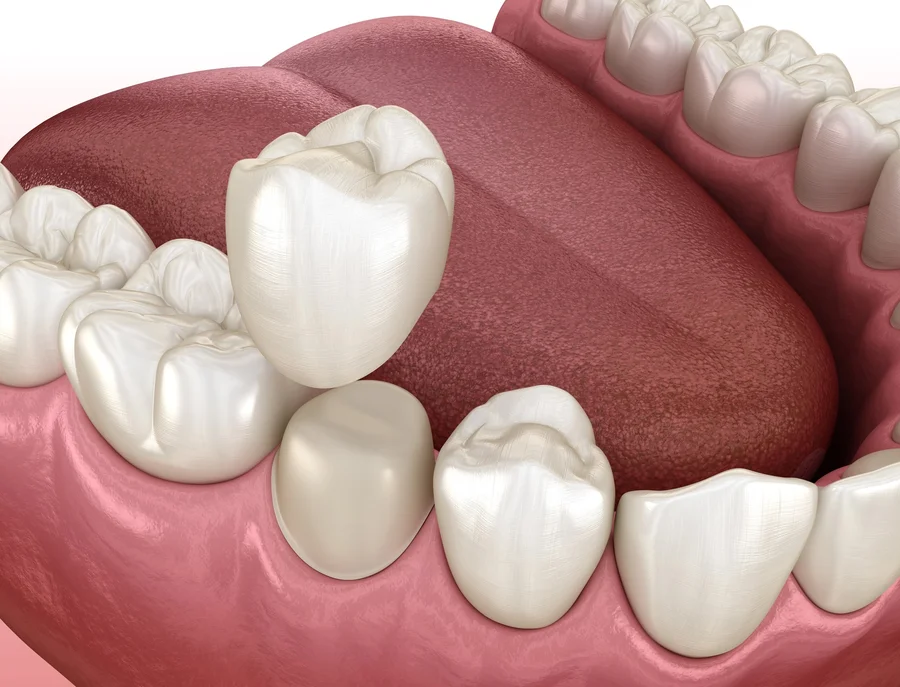
For example, a damaged tooth restored with a dental crown not only regains strength and functionality but also looks more natural and aesthetically pleasing. Similarly, replacing a missing tooth with a dental implant can improve chewing ability while restoring the appearance of a complete smile.
Health Benefits Often Influence Appearance
When oral health issues are corrected, cosmetic improvements often follow naturally. A repaired tooth typically looks better than a damaged one, and replacing missing teeth can improve facial balance and smile symmetry.
Likewise, cosmetic treatments may support better oral habits by motivating patients to maintain their results through improved hygiene and regular dental visits.
Why Function Matters First
When patients have active dental problems, addressing oral health concerns is usually the priority. A beautiful smile depends on a healthy foundation.
For example, whitening treatments may not be appropriate if significant decay or gum disease is present. Similarly, cosmetic improvements may be postponed until damaged teeth have been properly restored.
Creating A Strong Foundation
Restorative care often helps establish the foundation necessary for successful cosmetic treatment later. By addressing structural concerns first, patients may achieve more predictable, longer-lasting results.
A healthy smile is generally more stable, comfortable, and easier to maintain over time.
How Dentists Determine The Right Treatment
Every patient has unique goals and oral health needs. During an evaluation, dentists assess overall oral health, existing dental concerns, and desired outcomes before recommending a treatment plan.
Some patients may primarily need restorative services due to damaged or missing teeth. Others may have healthy teeth but wish to improve the appearance of their smiles through cosmetic procedures.
Factors Considered During Treatment Planning
A dentist may evaluate:
- Oral health status
- Existing restorations
- Bite function
- Tooth alignment
- Gum health
- Smile goals
- Long-term maintenance needs
This information helps create a customized plan that supports both function and appearance.
The Long-Term Value Of Restorative Dentistry
One of the greatest benefits of restorative treatment is its ability to preserve oral health over time. Addressing concerns early can help prevent additional damage and reduce the likelihood of more complex treatment in the future.
For example, repairing a small area of decay today may prevent the need for more extensive procedures later. Replacing missing teeth may also help prevent shifting teeth and bite changes that could affect long-term oral function.
Patients who invest in restoring their oral health often find that the benefits extend beyond their teeth. Improved comfort, better chewing ability, clearer speech, and increased confidence can all contribute to a higher quality of life.
Frequently Asked Questions
Is Restorative Dentistry Considered Necessary?
In many cases, yes. Restorative procedures are often recommended to repair damage, restore function, and help protect long-term oral health.
Can A Procedure Be Both Restorative & Cosmetic?
Absolutely. Treatments such as crowns and implants often improve both oral function and smile appearance.
Is Cosmetic Dentistry Only About Appearance?
Cosmetic dentistry primarily focuses on aesthetics, although some procedures may provide secondary functional benefits.
Which Type Of Dentistry Do I Need?
The answer depends on your oral health, concerns, and goals. A comprehensive dental evaluation can help determine the most appropriate treatment approach.

Learn More About Restorative Dentistry In Birmingham
A healthy smile is about more than appearance alone. Restorative treatment helps rebuild strength, function, and comfort while supporting long-term oral wellness. Whether you are dealing with damaged teeth, missing teeth, or other concerns affecting your quality of life, understanding your options is an important first step. At Lakeview Dental and Wellness, we help patients explore personalized treatment solutions that support both health and confidence. Contact us today to schedule an appointment and learn more about restorative dentistry in Birmingham and how it can help you achieve a stronger, healthier smile for years to come.
Related Posts
Why Protecting a Damaged Tooth Early Can Prevent More Treatment Later
Learn how dental crowns in Birmingham help protect damaged teeth early and may reduce the need for more complex treatment later.

How Holistic Dentistry Differs from Traditional Dental Care
A holistic dentist in Birmingham, AL, combines preventive care with a whole-body approach to support lasting oral health.
Is Restorative Dentistry Different From Cosmetic Dentistry?
Learn how restorative dentistry in Birmingham differs from cosmetic dentistry and how each supports a healthy smile.
