
Is Teeth Whitening Safe? All Your Dentist Wants You to Know
Dental stains are common but bothersome. Coffee, smoking, and even the natural aging process can cause small, dark stains in your smile, impacting both your confidence and appearance. When this happens, you may consider professional methods to brighten your smile, but is teeth whitening in Birmingham, AL, really safe?
The short answer: Yes—when done properly under professional guidance. However, not all whitening methods are created equal, and some can do more harm than good. Once you understand how teeth whitening works and its associated risks, you can achieve the best results without compromising the health of your teeth or gums.
What Is Teeth Whitening?
Teeth whitening refers to any technique used to lighten the color of your teeth by removing stains or discoloration.
Whether you're prepping for a wedding, job interview, or just want to look your best, it can be a simple way to enhance your smile and boost your confidence dramatically. Most effective whitening treatments use bleaching agents like hydrogen peroxide or carbamide peroxide to break down and lift stains from the enamel (the outer surface of your teeth).
These stains come from:
- Coffee, tea, wine, and soda
- Tobacco use
- Certain medications or health conditions
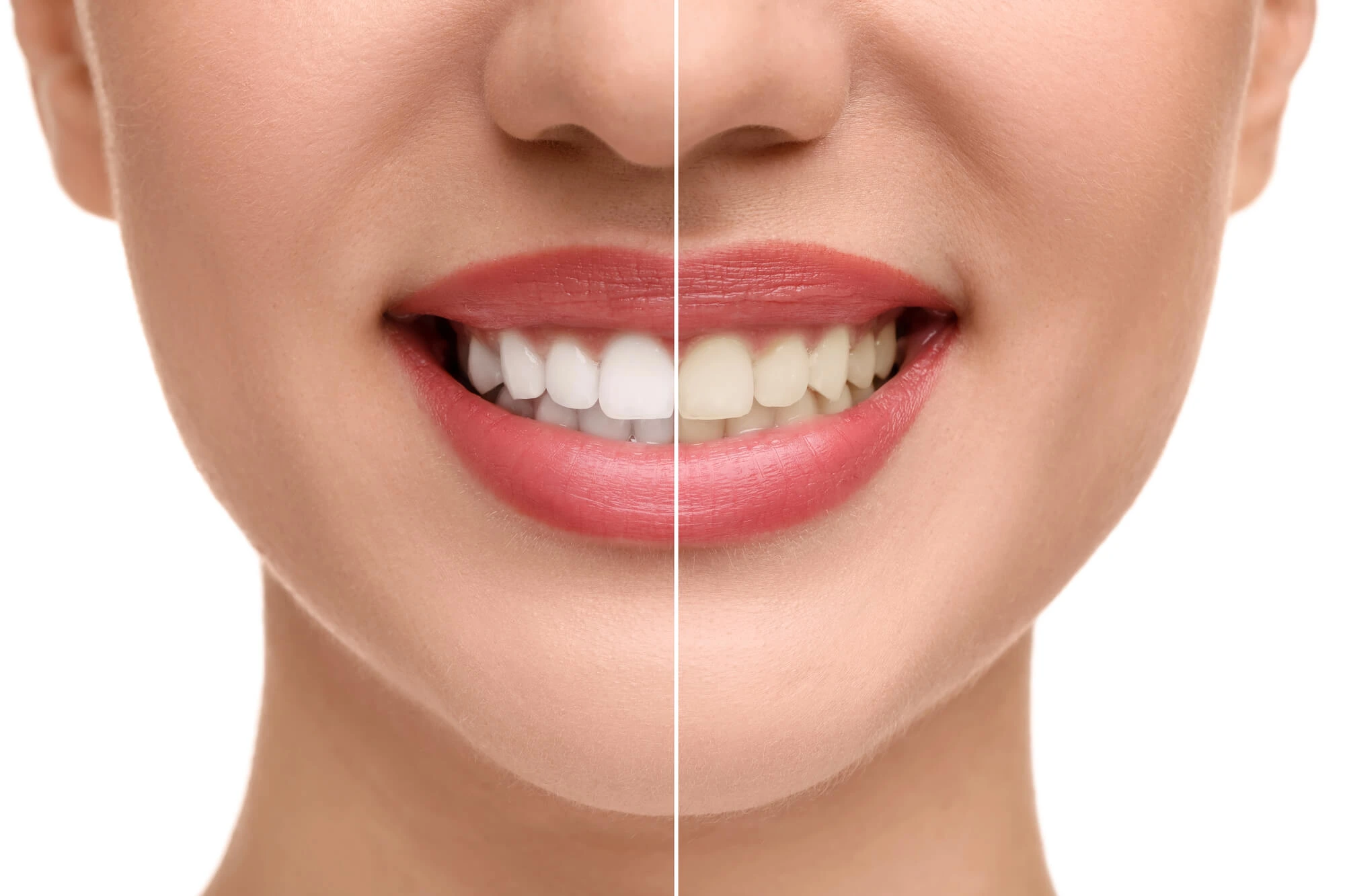
Professional whitening can lighten teeth by several shades in a single session—far more effectively than over-the-counter products. But, is this method safe?
Types of Teeth Whitening Treatments (And Their Safety)
Most whitening treatments are completely safe when performed properly. First, it’s important to understand some of the most common whitening options available:
1. In-Office Whitening
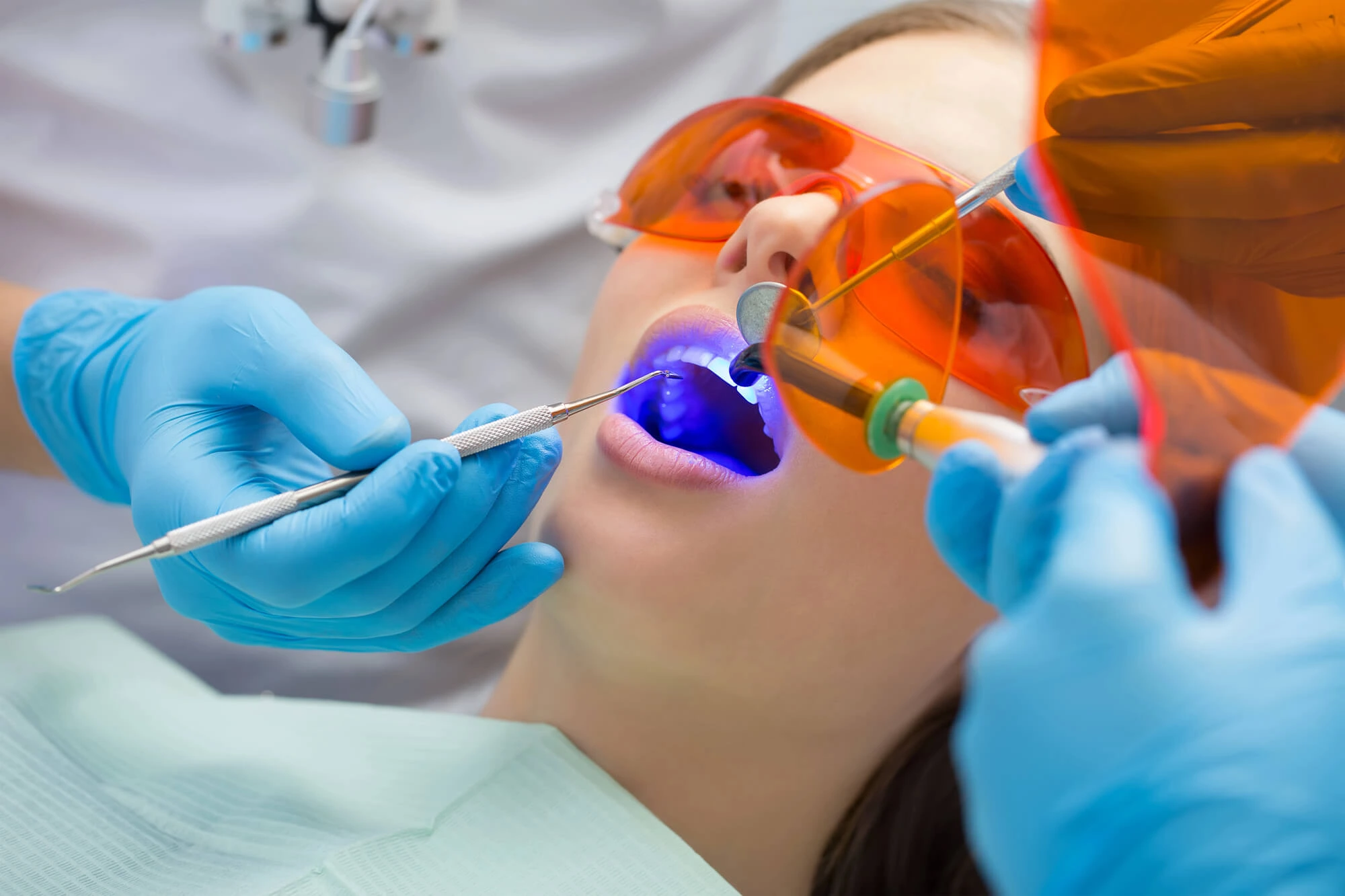
Because your dentist performs professional whitening, it’s the safest. Dentists use concentrated peroxide gels only in the right percentages and protective barriers for your gums, ensuring your smile stays in top condition.
Sometimes, these procedures also include LED or laser acceleration for enhanced results. This results in an immediate difference, often achieved within 60–90 minutes, without compromising your smile. For all these reasons, professional whitening is the safest and most controlled option.
2. Take-Home Whitening Kits
Provided by your dentist with professional-grade whitening gel, this treatment combines the safety of a dental professional with the comfort of your own home.
These trays are custom-designed to fit your smile, ensuring an even application of the whitening substances and protecting your gums. It can be great for gradual whitening or touch-ups.
3. Over-the-Counter Whitening Products
Whitening strips, pens, and generic trays are widely available over-the-counter. Since there isn’t a professional overseeing your oral health, these products contain lower peroxide concentrations. For that reason, the results are often less noticeable and can vary.
Additionally, the risk of gum irritation is higher due to poor fit or overuse.
4. Natural Remedies
New “cheap” methods for whitening your smile often become trendy on social media. Unfortunately, these are neither effective nor safe. In fact, they can often lead to a darker smile in the long run.
Baking soda, lemon juice, or activated charcoal may seem “harmless,” but can erode enamel or damage soft tissue. This leaves your teeth more prone to staining and, what’s worse, cavities. Natural remedies are often unsafe, ineffective, and not backed by dentists.
Is Teeth Whitening Safe?
When supervised by a dental professional, teeth whitening is safe for most people. In fact, the American Dental Association (ADA) approves certain whitening products and procedures for cosmetic use.
That said, there are a few things to consider, such as:
Temporary Sensitivity
Some patients experience mild tooth sensitivity or gum irritation. This typically goes away within 24–48 hours. Using a desensitizing toothpaste before and after whitening can help alleviate sensitivity.
Overuse Can Damage Enamel
Whitening too frequently—or using high-concentration gels without supervision—can erode enamel, making your teeth more sensitive and prone to cavities. Luckily, dental professionals will carefully measure the product to ensure the health of your smile.
Not for Everyone
Patients with issues such as untreated cavities or gum disease shouldn’t undergo whitening without first addressing these dental problems.
Additionally, most dental restorations (such as crowns, veneers, or fillings) don’t brighten as teeth, leading to uneven results. Last but not least, pregnant or nursing women may not be suitable candidates for whitening.
That’s why it’s important to have your teeth evaluated by a licensed cosmetic dentist before starting any whitening plan.
Myths About Teeth Whitening—Debunked
Nowadays, there are various myths surrounding dental whitening procedures. Some of these include:
Myth 1: Whitening Weakens Your Teeth
False. Whitening doesn't damage your tooth structure when done properly. It simply removes stains from the enamel surface.
Myth 2: Whitening Is Painful
Usually false. While some experience temporary sensitivity, modern formulas and techniques have minimized discomfort.
Myth 3: Results Are Permanent
False. Whitening is not permanent. The duration of results depends on your lifestyle. Avoiding staining foods and smoking will help you maintain a brighter smile longer.
How to Whiten Safely: Dentist-Approved Tips
There are certain steps you can take to protect your smile during teeth whitening. Cosmetic dentists recommend you consider:
- Get a Dental Exam First: Make sure your teeth and gums are healthy. Whitening over decay or gum inflammation can cause pain and complications.
- Choose Professional Whitening: Trust your smile to a dentist, not a drugstore aisle. Professional whitening is faster, safer, and tailored to your needs.
- Use Desensitizing Products: If you're prone to sensitivity, your dentist can recommend gels or toothpaste that protect your nerves during treatment.
- Limit Stain-Causing Habits: Reduce your intake of coffee, wine, and tobacco. Drink through a straw when possible. Rinse your mouth after meals.
- Don’t Overdo It: Repeat treatments should be spaced out—usually no more than once every 6 months—unless advised otherwise by your dentist.
Get Safe Teeth Whitening in Birmingham, AL, with a Reliable Dental Office
Teeth whitening is one of the most frequently requested cosmetic dental treatments nationwide. But with so many products, trends, and DIY solutions out there, it’s only natural to ask: Is teeth whitening safe? The truth is, when performed properly, teeth whitening can be one of the quickest, safest, and most affordable ways to upgrade your smile.
The key is working with a trusted dentist who understands your oral health and cosmetic goals. If you're looking for safe, effective teeth whitening in Birmingham, AL, Lakeview Dental & Wellness can help. Schedule a consultation today and let our expert team help you shine with confidence.
Related Posts
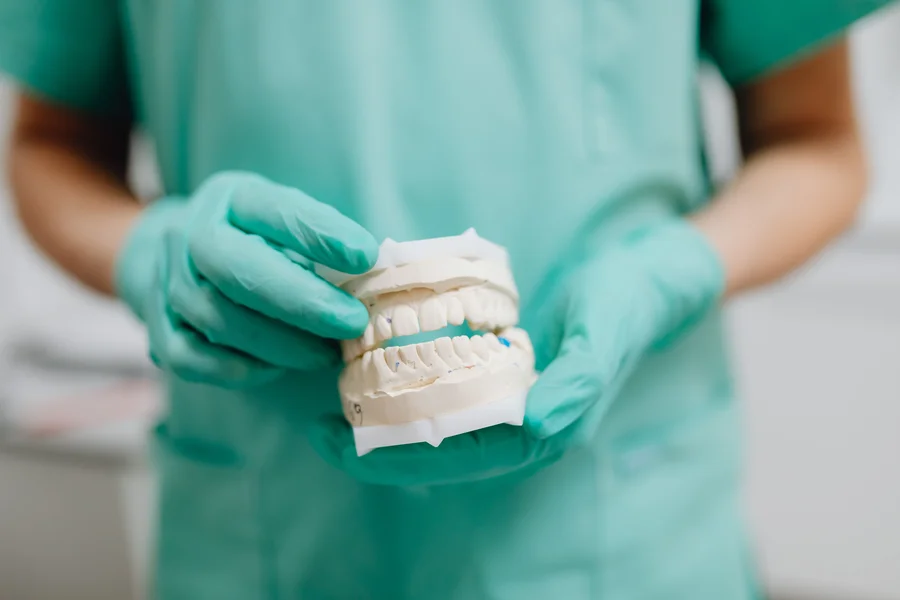
How Dentures Support Nutrition and Whole-Body Wellness
Struggling to eat fresh produce or lean proteins? See how dentures in Birmingham, AL, can make healthy meals easier and support whole-body wellness.
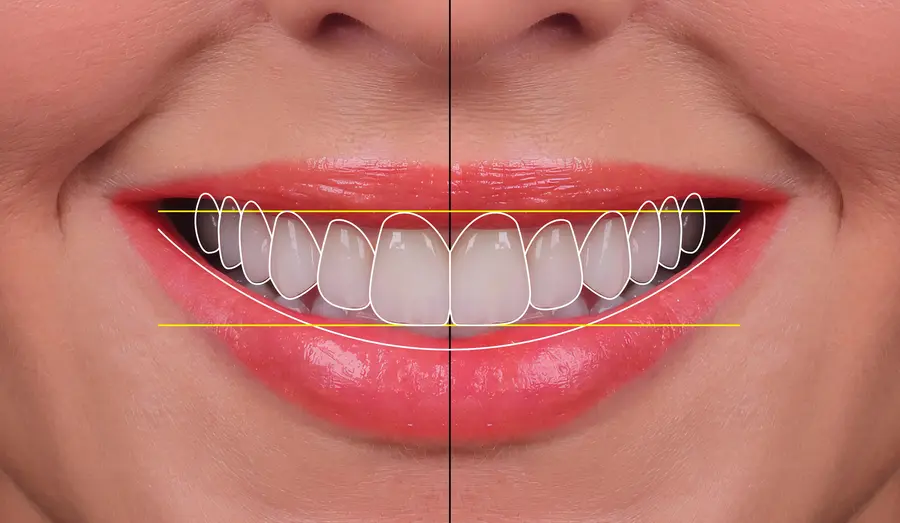
Digital Smile Design: Previewing Your New Smile
Technology now lets you see your smile before committing to treatment. Learn how digital design supports a smile makeover in Birmingham from day one.
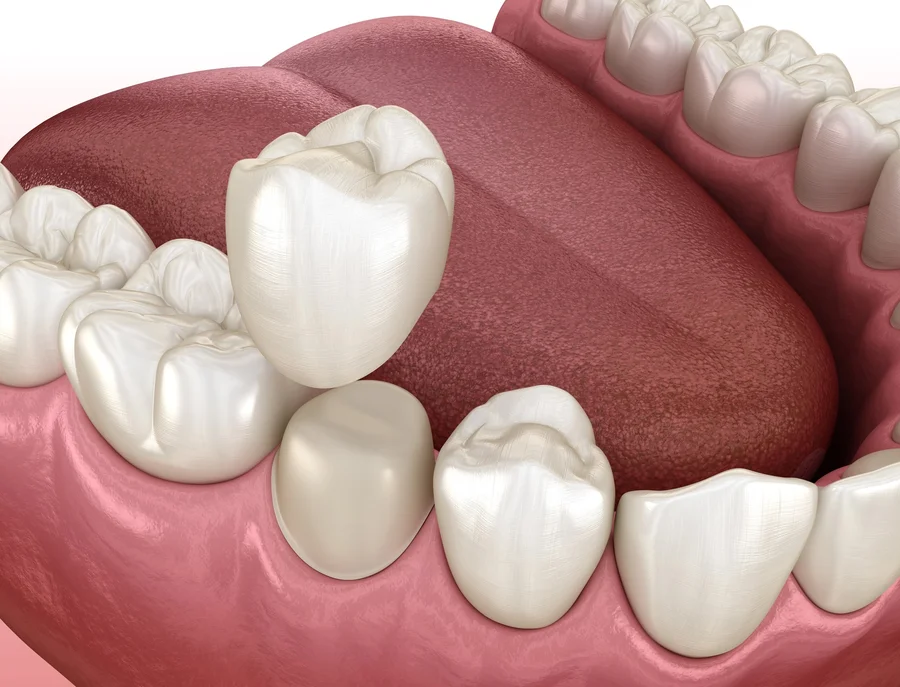
Why Protecting a Damaged Tooth Early Can Prevent More Treatment Later
Learn how dental crowns in Birmingham help protect damaged teeth early and may reduce the need for more complex treatment later.
