

The Full-Mouth Rehabilitation Process Explained
Many people think dental care is only about cleanings, fillings, or occasional cosmetic improvements. However, some patients experience more advanced oral health concerns that affect nearly every aspect of daily life. Chronic tooth damage, missing teeth, bite problems, gum disease, or severe wear can all impact comfort, speech, eating habits, and overall confidence. For these situations, the best dentist in Birmingham, AL, may recommend a full-mouth rehabilitation plan designed to restore oral function and improve long-term dental health.
Unlike a single procedure, full-mouth rehabilitation combines multiple treatments into one carefully planned approach. Every step is customized around the patient’s oral health needs, goals, lifestyle, and overall condition. Understanding how the process works can help patients feel more prepared before beginning treatment.

What Is Full-Mouth Rehabilitation?
Full-mouth rehabilitation is a comprehensive dental treatment plan focused on rebuilding or restoring most or all of the teeth in the upper and lower jaws. The process often addresses several oral health concerns at once rather than treating each issue separately over many years.
Patients who benefit from this type of care may have extensive tooth decay, advanced gum disease, worn enamel, broken restorations, missing teeth, jaw discomfort, or mouth injuries. Some individuals also pursue rehabilitation after years of avoiding dental visits due to anxiety or financial limitations.
More Than Cosmetic Improvements
Although aesthetics are often part of treatment, full-mouth rehabilitation focuses heavily on restoring healthy function. Proper chewing ability, balanced bite alignment, comfortable jaw movement, and oral stability all play important roles in long-term dental wellness.
When oral structures do not work together correctly, additional complications may develop over time. Uneven pressure on teeth can contribute to fractures, headaches, gum recession, and further tooth loss if left untreated.
The Initial Consultation Process
The first step in rehabilitation involves a detailed evaluation of the patient’s oral health. Dentists gather information through examinations, digital imaging, photographs, bite analysis, and discussions about symptoms or concerns.
Understanding A Patient’s Goals
Every patient enters treatment with different priorities. Some people want to improve comfort while eating, while others hope to repair years of damage or feel more confident socially. Open communication allows the dental team to create a treatment plan that aligns with both health needs and personal goals.
Patients are also encouraged to discuss dental anxiety, scheduling concerns, and financial considerations during this stage. Rehabilitation plans are often completed in phases to make treatment more manageable.
Evaluating Overall Oral Health
Dentists assess several factors before recommending procedures, including gum condition, bone support, tooth stability, bite alignment, and signs of infection or decay. In some cases, untreated gum disease or oral infections must be addressed before restorative work begins.
This careful planning stage helps improve treatment success while reducing the risk of complications later in the process.
Common Treatments Included In Rehabilitation
No two rehabilitation plans look the same. Treatment recommendations vary based on the severity of damage and the patient’s oral health condition.
Restorative Procedures
Many patients require restorative treatments to repair damaged or weakened teeth. Dental crowns, bridges, fillings, or implant-supported restorations may be used to strengthen oral structures and improve function.
Crowns are often recommended when teeth have experienced extensive wear or fractures. Bridges and implants can replace missing teeth while supporting bite stability and preventing shifting.
Periodontal Care
Healthy gums provide the foundation for successful rehabilitation. If gum disease is present, periodontal treatment may be necessary before cosmetic or restorative procedures begin.
Deep cleanings, maintenance visits, and improved home care routines all support healthier gum tissue during long-term treatment planning.
Bite Adjustment & Alignment
Some patients experience uneven bite pressure, which can contribute to chronic discomfort or tooth damage. Aligners, orthodontic treatment, or bite adjustments may help create a more balanced bite relationship between the upper and lower teeth.
Correcting alignment problems can also improve speech clarity, chewing efficiency, and jaw comfort over time.
The Importance Of A Phased Approach
Full-mouth rehabilitation is usually completed gradually rather than all at once. Dividing treatment into phases allows patients to recover comfortably while helping dentists monitor progress.
Building A Stable Foundation First
Early treatment often focuses on controlling infection, stabilizing damaged teeth, and improving gum health. Once the mouth is healthier overall, restorative and cosmetic procedures can move forward more predictably.
Skipping foundational care may increase the risk of complications or shorten the lifespan of restorations.
Monitoring Long-Term Progress
Regular follow-up visits remain important throughout treatment. Dentists evaluate healing, make adjustments when necessary, and ensure restorations continue functioning properly.
Patients also receive guidance on oral hygiene, nutrition, and maintenance routines to help protect long-term results.
Emotional & Lifestyle Benefits Of Rehabilitation
Oral health problems often affect more than just physical comfort. Many patients feel embarrassed about damaged teeth or avoid smiling in social settings. Others struggle to eat certain foods or speak clearly due to oral discomfort.
Restoring oral function can positively influence daily routines, confidence, and overall quality of life. Patients frequently report feeling more comfortable participating in conversations, taking photographs, eating meals, and engaging in social activities after completing treatment.
Improved oral health may also support better overall long-term wellness. Healthy teeth and gums contribute to easier nutrition, lower infection risks, and stronger preventive care habits moving forward.
Recovery & Maintenance After Treatment
After rehabilitation is complete, maintaining results is essential for long-term success. Dental restorations still require routine care, professional cleanings, and healthy daily habits.
Protecting Restored Teeth
Patients may receive custom nightguards if teeth grinding contributed to previous damage. Consistently wearing protective appliances can help reduce pressure on restorations and natural teeth while preserving treatment outcomes.
Dentists may also recommend avoiding tobacco products, limiting highly acidic foods, and maintaining regular checkups throughout the year.
Staying Consistent With Preventive Care
Routine visits allow dentists to monitor restorations, identify concerns early, and support healthy gum tissue. Preventive care helps protect the investment patients have made in rebuilding their smile and oral health.
Good brushing and flossing habits at home remain equally important for maintaining stable long-term results.
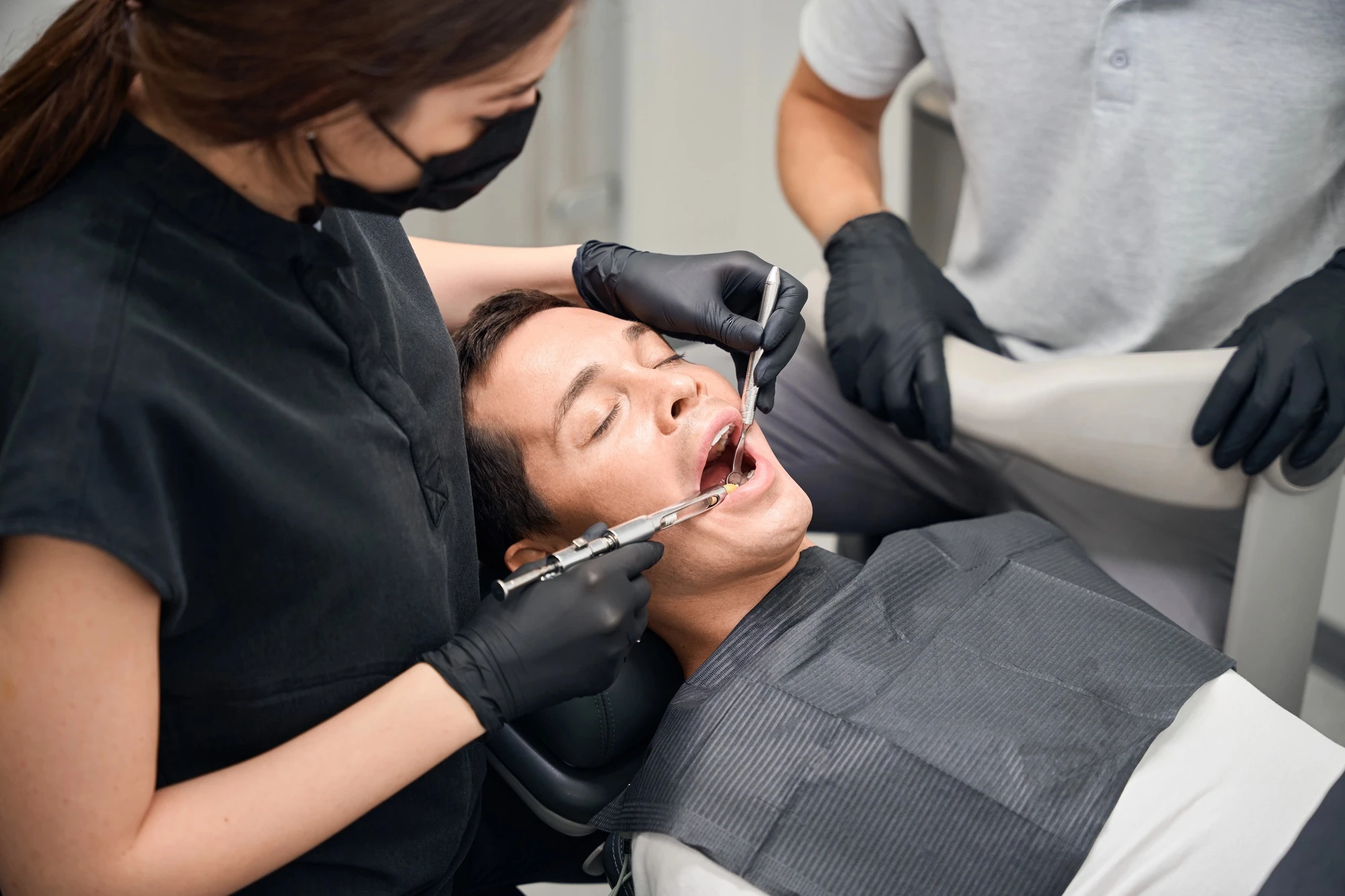
Visit the Best Dentist in Birmingham, AL?
Living with damaged, missing, or painful teeth can affect nearly every part of daily life, but comprehensive dental care may help restore both comfort and confidence. Full-mouth rehabilitation combines personalized planning with restorative treatment to support healthier function and long-term oral wellness. At Lakeview Dental and Wellness, we understand that every patient’s needs are unique, which is why we create customized treatment plans designed around your goals and comfort. If you are ready to learn more about your options, contact us today to schedule an appointment with the best dentist in Birmingham, AL, and take the next step toward rebuilding your smile.
Related Posts
How Dentures Support Nutrition and Whole-Body Wellness
Struggling to eat fresh produce or lean proteins? See how dentures in Birmingham, AL, can make healthy meals easier and support whole-body wellness.
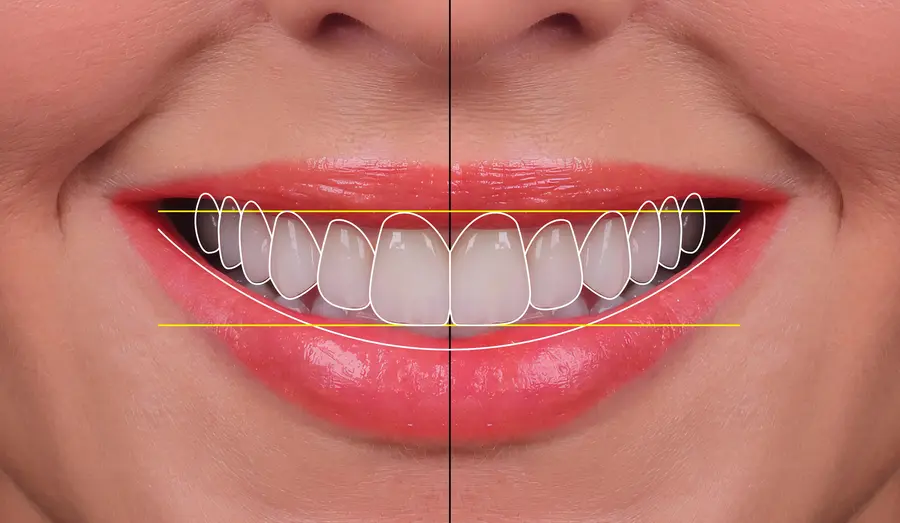
Digital Smile Design: Previewing Your New Smile
Technology now lets you see your smile before committing to treatment. Learn how digital design supports a smile makeover in Birmingham from day one.
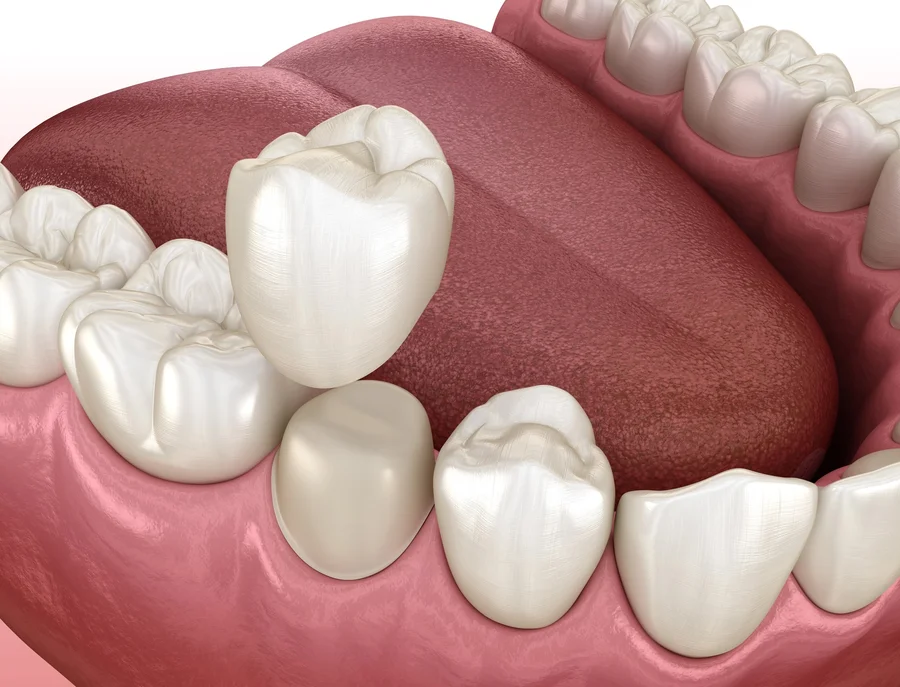
Why Protecting a Damaged Tooth Early Can Prevent More Treatment Later
Learn how dental crowns in Birmingham help protect damaged teeth early and may reduce the need for more complex treatment later.
